Carbon monoxide poisoning kills more Australians each year than most people realise. It sends thousands more to hospital. And in the overwhelming majority of cases, the source is a gas appliance in the victim's own home, a heater, a hot water system or a cooking appliance that has developed a fault and is producing CO during normal operation.
The most disturbing aspect of carbon monoxide is not just how dangerous it is. It is how invisible it is. You cannot detect it without testing equipment or a CO alarm. By the time you feel unwell, you may already have a significant level of CO in your bloodstream.
This article explains what carbon monoxide is, where it comes from, the symptoms of poisoning at different exposure levels and, most importantly, what you can do right now to protect your family.
What Is Carbon Monoxide?
Carbon monoxide (CO) is a gas produced by the incomplete combustion of carbon-containing fuels. Natural gas, LPG, wood, petrol, diesel and coal all produce carbon monoxide when they do not burn completely.
In a properly functioning gas appliance with a clean burner, adequate ventilation and an intact heat exchanger, very little CO is produced. The small amount that is produced is safely vented outside through the flue system.
When any of these conditions are compromised, a dirty or blocked burner, a cracked heat exchanger, a blocked flue, inadequate ventilation, CO production increases significantly and the gas begins to accumulate in the living space.
Why Carbon Monoxide Is So Dangerous
CO is dangerous for a specific physiological reason. When you breathe CO, it binds to the haemoglobin in your red blood cells with an affinity approximately 200 to 250 times greater than oxygen. This means CO essentially displaces oxygen from your blood, starving your organs and tissues of the oxygen they need to function.
At low concentrations, this produces symptoms resembling the flu. At higher concentrations, it causes loss of consciousness and death. The process can happen quickly: in a poorly ventilated room with a significant CO source, exposure can become life-threatening within minutes.
The insidious aspect is that CO produces no pain, no burning sensation and no obvious alarm. People have died in their sleep from CO poisoning from a faulty gas heater in an adjoining room, with no indication that anything was wrong until it was too late.
Symptoms of Carbon Monoxide Poisoning
CO poisoning symptoms vary with the concentration of CO in the air and the duration of exposure. Understanding the symptom progression is important because early symptoms are easily mistaken for other conditions.
Low level exposure
- Mild headache
- Slight nausea
- Fatigue that does not improve with rest
- Shortness of breath on mild exertion
Moderate exposure
- Throbbing headache
- Drowsiness and confusion
- Rapid heart rate
- Disorientation
- Vomiting
High level exposure
- Severe headache
- Loss of consciousness
- Convulsions
- Visual disturbance
- Inability to move
Very high level exposure
- Coma
- Brain damage
- Death
The critical warning sign: Symptoms that improve when you leave the home and return when you go back inside are a strong indicator of a CO source within the property. If multiple household members experience similar flu-like symptoms simultaneously, particularly in winter when heating is in use and windows are closed, do not dismiss it as coincidence.
Who Is Most Vulnerable to Carbon Monoxide Poisoning?
While everyone is at risk from CO exposure, certain groups are more severely affected:
Infants and young children: Their smaller bodies absorb CO faster and they cannot communicate symptoms. An infant who is unusually lethargic or difficult to rouse in a room with a gas heater should be treated as a possible CO exposure.
Elderly people: Reduced cardiovascular reserve means the heart and brain are more susceptible to oxygen deprivation. CO poisoning can be severe in elderly people at concentrations that cause only mild symptoms in younger adults.
People with heart or respiratory conditions: Any condition that already compromises oxygen delivery makes CO exposure more dangerous.
Pregnant women: Carbon monoxide crosses the placental barrier. CO poisoning during pregnancy poses serious risks to the developing foetus.
People who are asleep: Sleep reduces awareness of symptoms. Many fatal CO incidents occur overnight, particularly in winter when homes are tightly sealed and heating is running continuously.
The Most Common Sources of Carbon Monoxide in Melbourne Homes
Gas heaters with cracked heat exchangers
The heat exchanger separates the combustion gases, including CO, from the warm air circulating through your home. When the heat exchanger cracks due to metal fatigue from years of thermal cycling, this barrier is breached. In a fan-assisted heater, CO is actively pushed into the air stream and distributed into the living space. This is the single most serious CO risk in a Melbourne home.
A cracked heat exchanger produces no obvious symptoms in the heater itself. The heater may appear to operate perfectly normally. The only way to confirm heat exchanger integrity is a professional inspection and CO combustion test.
Ducted gas heating systems with blocked or damaged flues
A ducted heating system distributes CO from a cracked heat exchanger through every vent in the home simultaneously. A blocked or damaged flue causes combustion gases to vent into the roof space and back into the living areas rather than outside. Annual flue inspection and CO testing is essential for any ducted gas heating system.
Unflued gas heaters
Unflued gas heaters release all combustion byproducts directly into the room. In well-ventilated spaces, CO disperses quickly. In modern, well-sealed homes or in small enclosed rooms, CO can accumulate to dangerous levels even from a heater that is functioning correctly.
Gas hot water systems in enclosed spaces
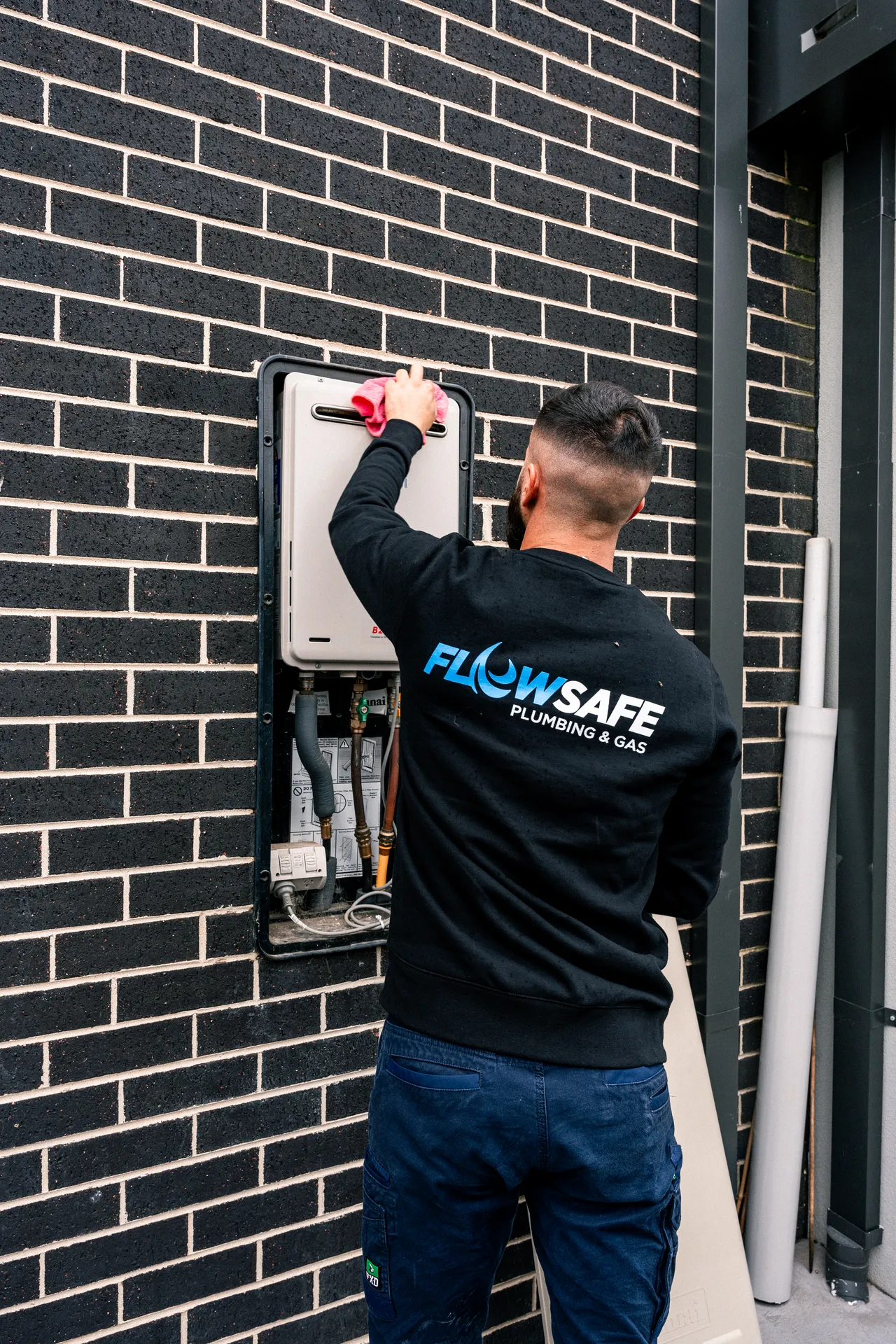
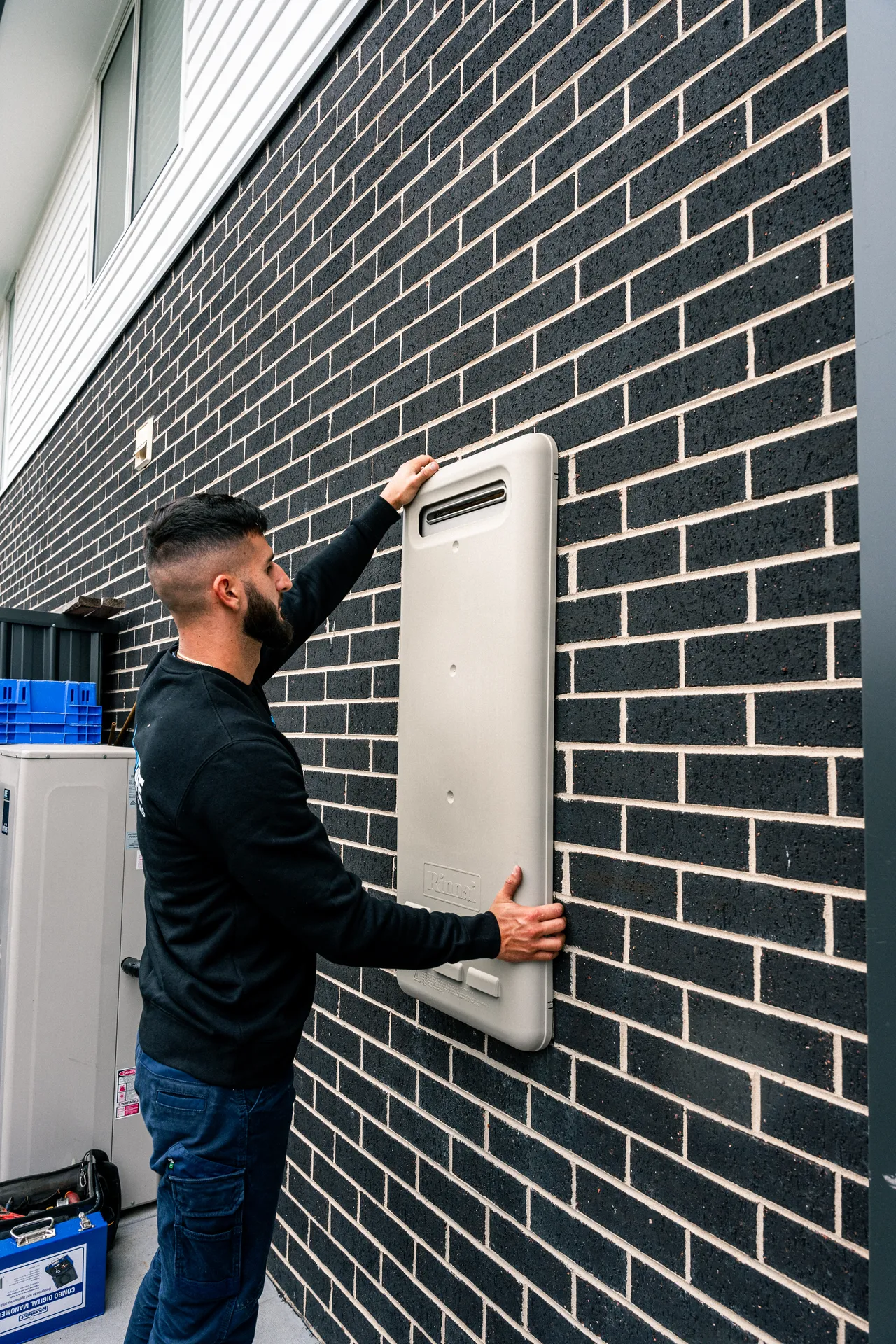
Gas hot water systems installed in enclosed utility cupboards, garages or internal laundries without adequate ventilation can produce elevated CO levels if the combustion air supply is insufficient.
How to Protect Your Family from Carbon Monoxide
Install CO alarms
A CO alarm is the only passive protection in your home when you cannot smell, see or taste the threat. Install a CO alarm in every room containing a gas appliance and near every sleeping area. Test it monthly. Replace it every 5 to 7 years when the sensor expires.
Gas Experts Melbourne supplies and installs dual smoke and CO combination alarms from $66. We can install one during any gas service visit.
Have your gas heater professionally serviced every year
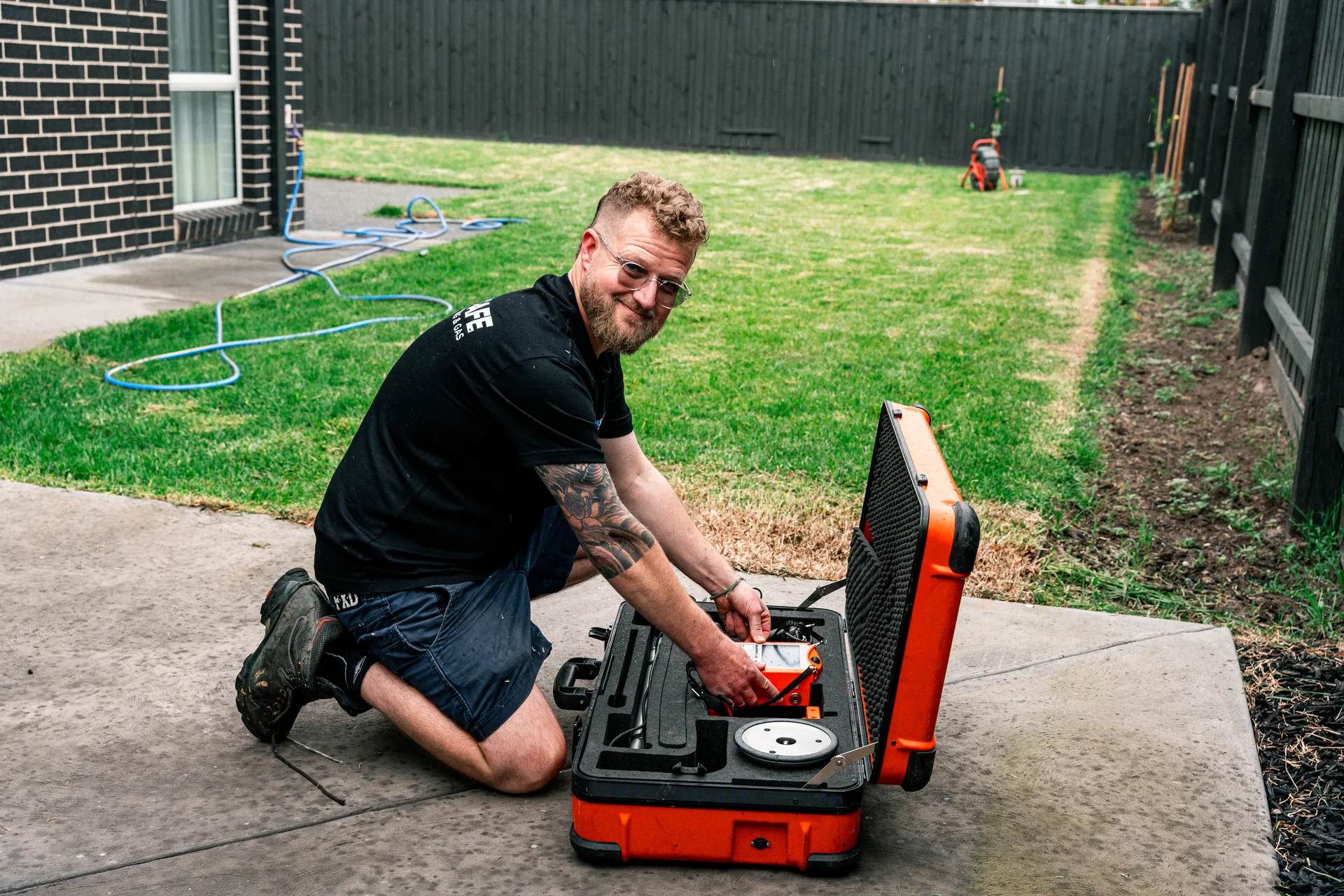
Every Gas Experts Melbourne service includes a carbon monoxide combustion test at no extra cost. We measure the CO concentration in your heater's flue gases using calibrated professional equipment, not just a sniff test. Annual testing identifies heat exchanger issues before they become dangerous.
Never use portable gas heaters or outdoor gas appliances inside enclosed spaces
Portable LPG heaters, gas BBQs and outdoor patio heaters are not designed for use in enclosed indoor spaces. Using them indoors, even briefly, can cause dangerous CO accumulation.
Ensure adequate ventilation around all gas appliances
Never block air vents near gas appliances. Never store items near a gas hot water system that restrict airflow to the unit.
Have your flue inspected as part of every annual service
A blocked or damaged flue is one of the most serious CO risks in a Melbourne home. Our annual service includes a flue inspection as standard.
What to Do If You Suspect CO Poisoning
If you or any household member experiences symptoms consistent with CO poisoning, particularly if multiple people are affected simultaneously, act immediately.
- Get everyone out of the property into fresh air immediately
- Call 000 if anyone is unconscious, confused or severely unwell
- Call Gas Experts Melbourne on 0468 279 956 once everyone is safe
- Do not re-enter the property until a licensed gas fitter has identified and resolved the CO source
If a CO alarm sounds, treat it as real. Evacuate immediately. Do not ignore a sounding CO alarm on the assumption it is a false alarm.
Get Your Gas Appliances Tested Today
If your gas heater or hot water system has not been professionally serviced and CO tested in the past 12 months, book a service now. Do not wait until winter when appointment availability is limited. CO testing is included with every Gas Experts Melbourne service at no extra cost.