Melbourne's Ducted Heating Service and Repair Specialists
Your ducted gas heating system is the backbone of your home's comfort through a Melbourne winter. When it fails, or when it underperforms because it hasn't been serviced, the impact on your home is immediate.
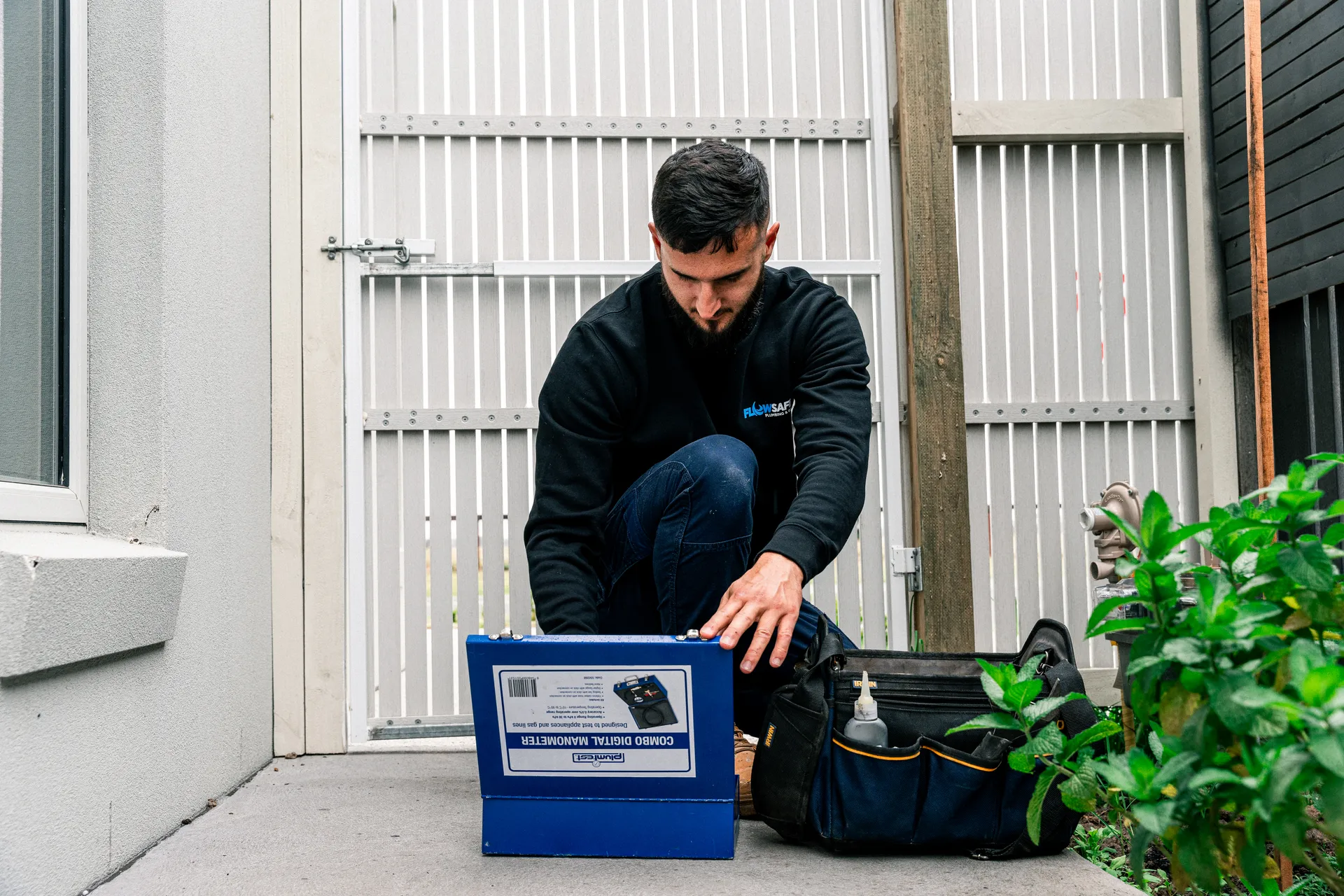
Gas Experts Melbourne provides comprehensive ducted gas heating servicing and repairs across Melbourne. Whether your system is due for its annual service, is failing to ignite, heating unevenly, making unusual noises or displaying a fault code, our licensed gas fitters will diagnose the problem and fix it properly.
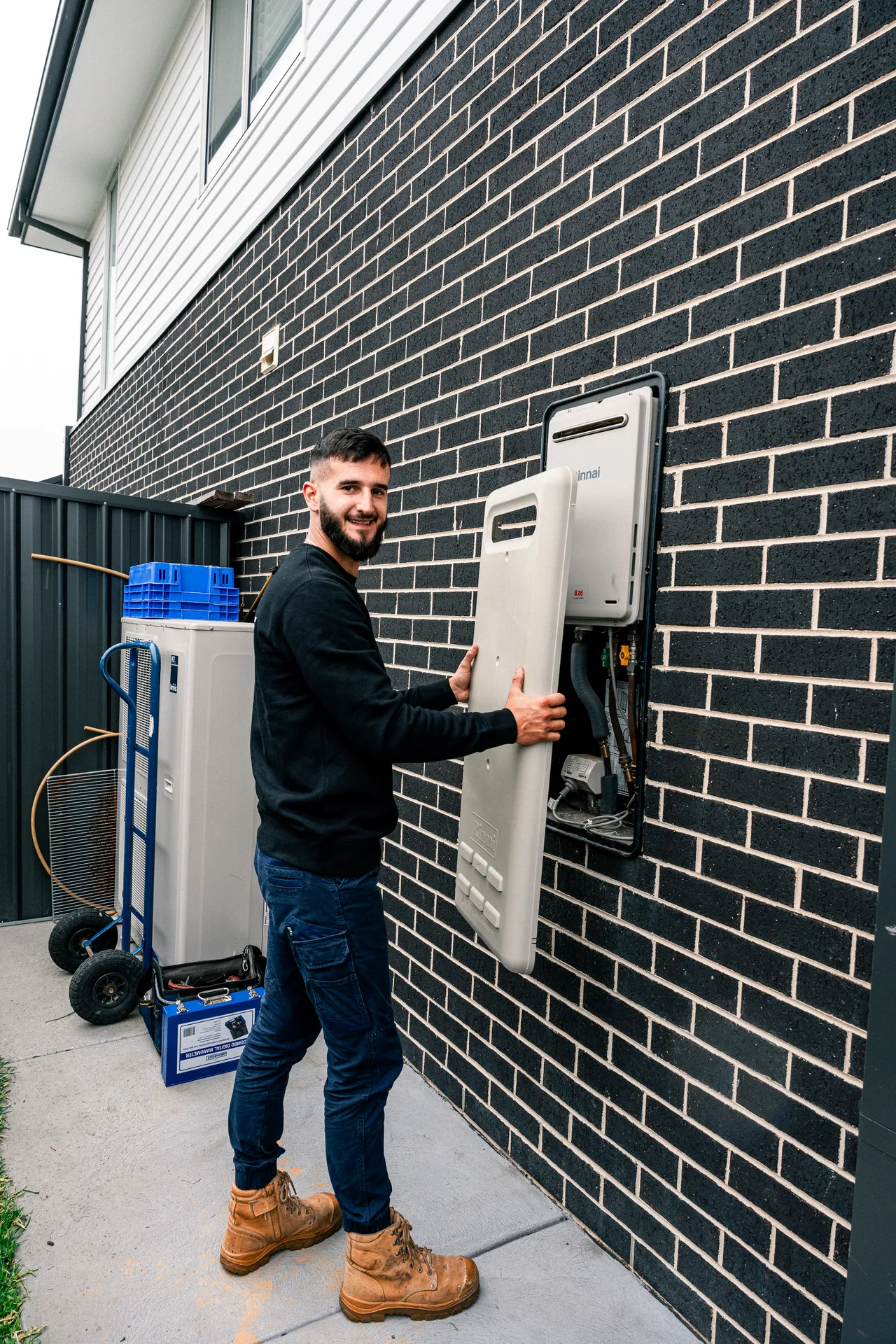
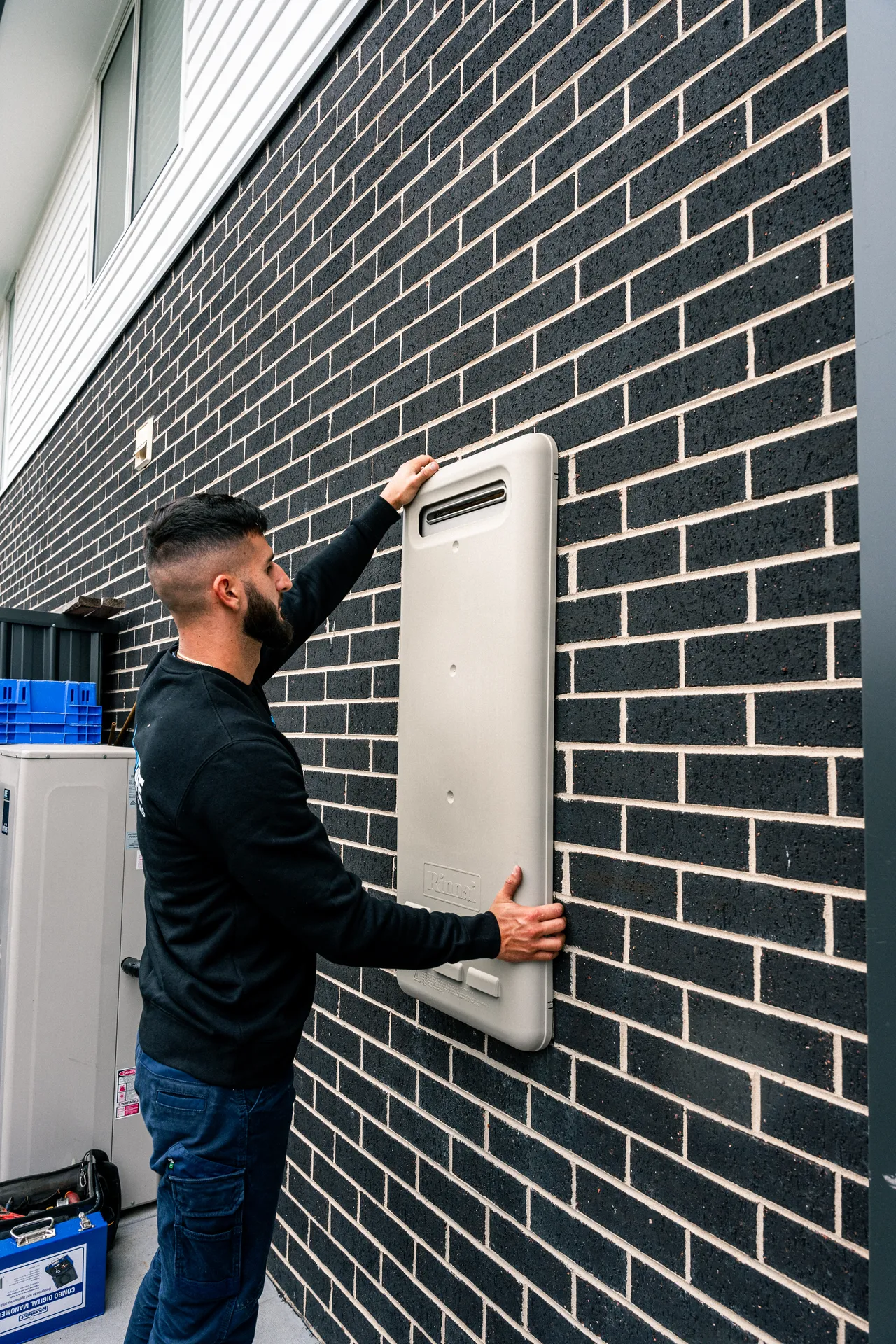
We service and repair all major brands including Braemar, Brivis, Rinnai and Bonaire. Every service includes a complimentary carbon monoxide test and gas safety inspection. Every repair comes with upfront pricing and a written workmanship guarantee.
Don't wait until mid-winter when every gas fitter in Melbourne is booked out. Book your annual service now and head into winter with a system you can rely on.
Why Your Ducted Gas Heating System Needs an Annual Service
Many Melbourne homeowners think about their ducted heating twice a year, when they turn it on in autumn and when they turn it off in spring. By the time a fault develops, it is usually the worst possible time to deal with it.
Here is what happens inside a ducted system that does not receive regular professional servicing.
Ducted gas heating systems contain a heat exchanger, the component that separates combustion gases from the air circulating through your home. Over years of thermal cycling (expanding and contracting with every heating cycle), heat exchangers can develop micro-cracks.
A cracked heat exchanger allows combustion gases, including carbon monoxide, to enter the air stream and be distributed through every vent in your home. Carbon monoxide is colourless and odourless. You will not detect it without a CO alarm or professional testing equipment.
Our annual service includes a carbon monoxide combustion test as standard. This is the most important check we carry out on any ducted heating system.
The return air filter is the single most maintenance-critical component in your ducted system. It filters dust and particles from the return air before it enters the main unit. A blocked filter restricts airflow, causes the system to overheat, triggers safety shutdowns, reduces heat output and significantly increases energy consumption.
A blocked filter is the most common cause of ducted heating faults in Melbourne homes. Our service includes a full filter inspection and clean. We also advise you on how often to clean your filter based on your home's dust load and usage pattern.
Ducting that runs through the roof space is subject to pest damage, physical damage during roof work, and insulation degradation over time. A duct that has come loose, collapsed or developed a hole delivers heated air into the roof space rather than into the room below. You pay for heat you are not receiving.
Our service includes a duct integrity check: we identify any obvious duct issues that may be reducing system performance.
Like any gas appliance, the burner in a ducted heating system accumulates carbon deposits over time. A dirty burner does not combust gas efficiently. The system burns more gas to produce the same heat output, increasing your energy bills. A professional clean restores combustion efficiency and reduces running costs.
Ducted systems contain a range of components with finite lifespans, fan motors, capacitors, ignition modules, gas valves and PCB boards. Regular servicing identifies components that are beginning to wear before they fail completely. Replacing a $50 capacitor during a scheduled service is far less disruptive and expensive than an emergency mid-winter breakdown.
Victorian landlords are required to ensure gas appliances in rental properties are maintained in safe working order. A professional annual service with a written report provides the documentation evidence you need for compliance purposes. We provide full written reports on every service.
What's Included in Our Ducted Gas Heating Service
Our service is a thorough, systematic inspection, clean and test of every major component in your ducted heating system. Here is the complete checklist.
Service Duration: Typically 60 to 90 minutes for a standard ducted system. Systems that have not been serviced for several years or that have developed significant build-up may take longer.
Full Service Checklist
- Visual inspection of the main unit: casing, controls, access panels and condition
- Return air filter inspection, clean or replacement
- Burner inspection and clean: remove carbon deposits, check burner ports
- Heat exchanger inspection: check for cracks, deterioration or damage
- Flue system inspection: check for blockage, damage and correct termination at the external flue cap
- Combustion air pathway inspection: ensure correct ventilation to the main unit
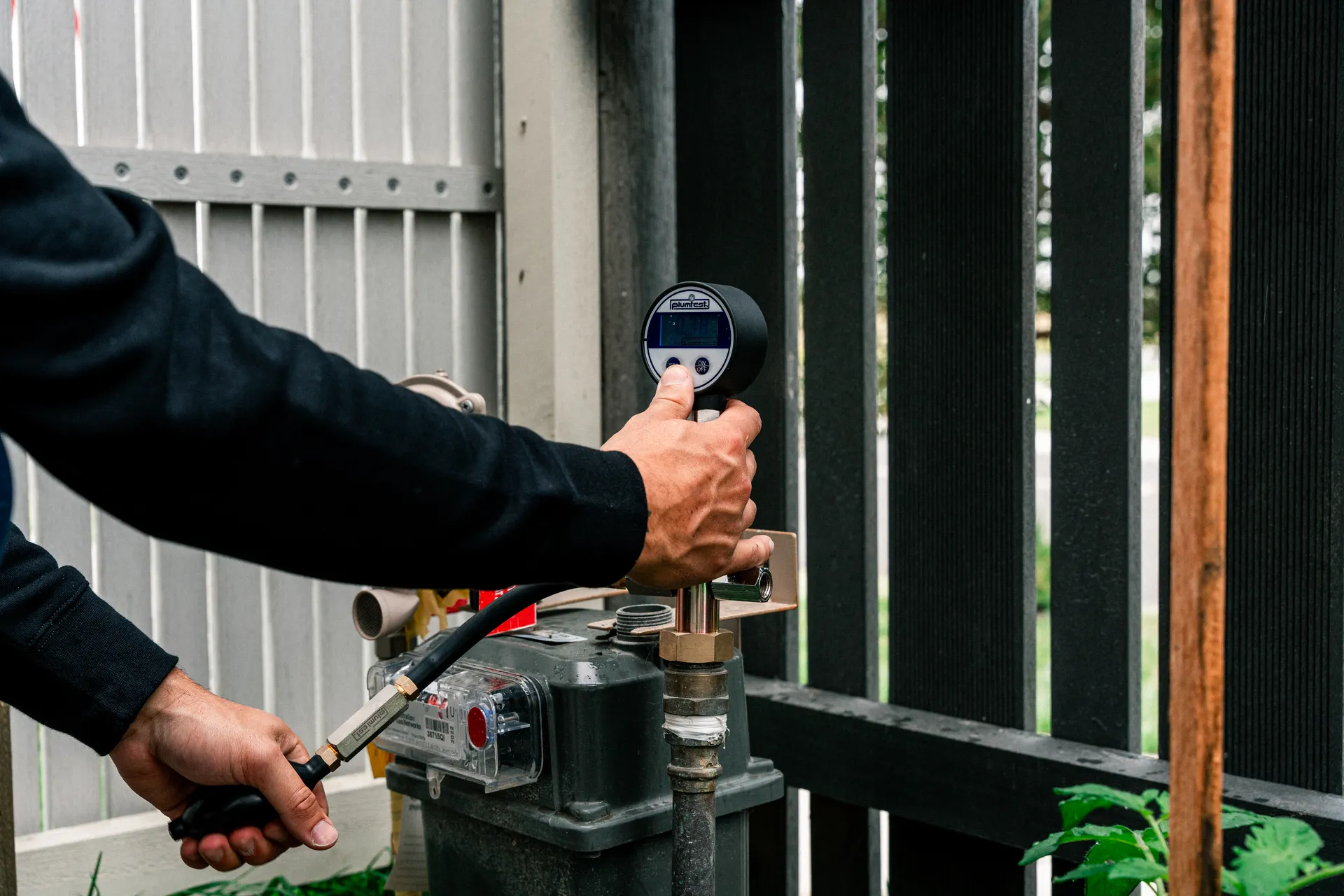
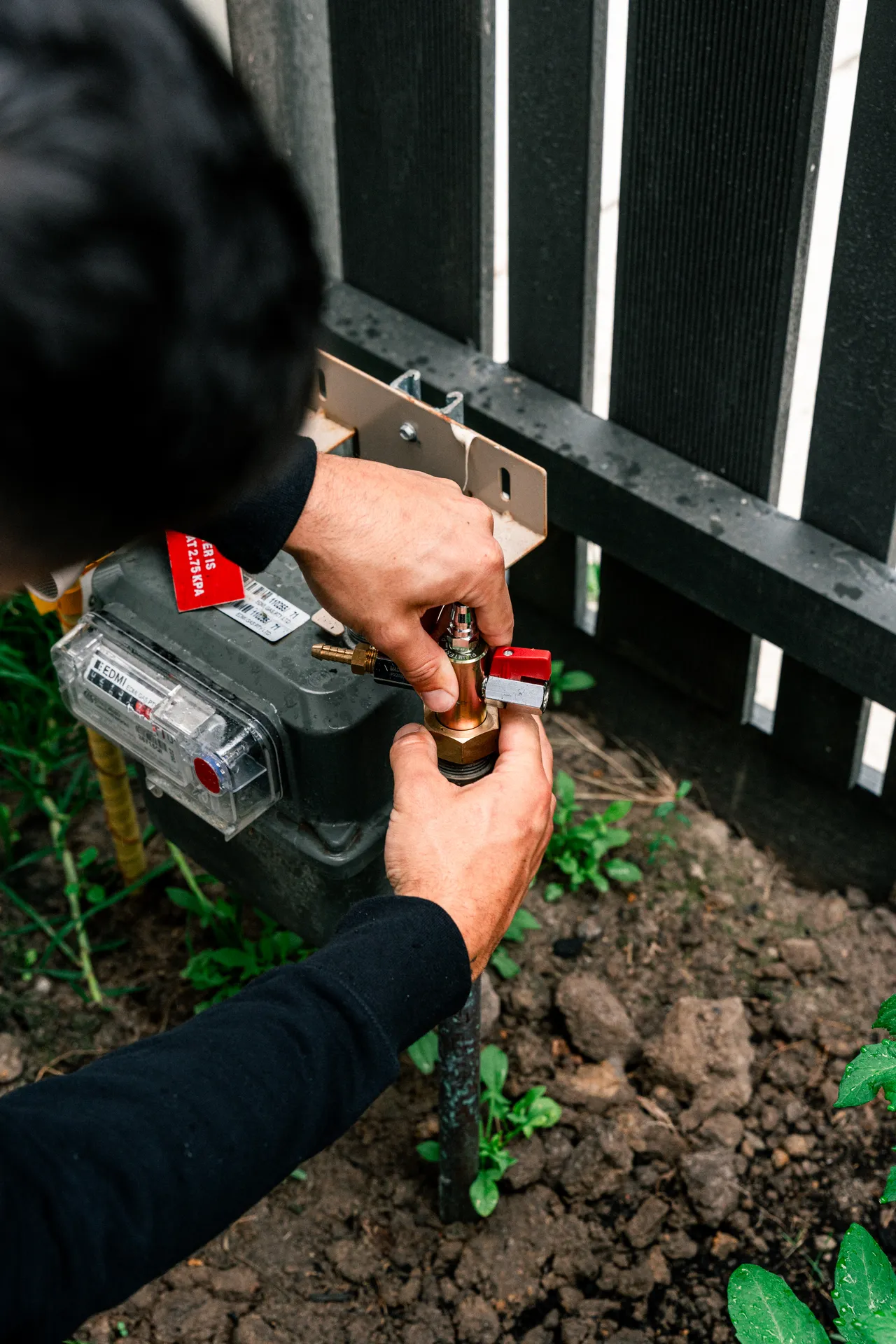
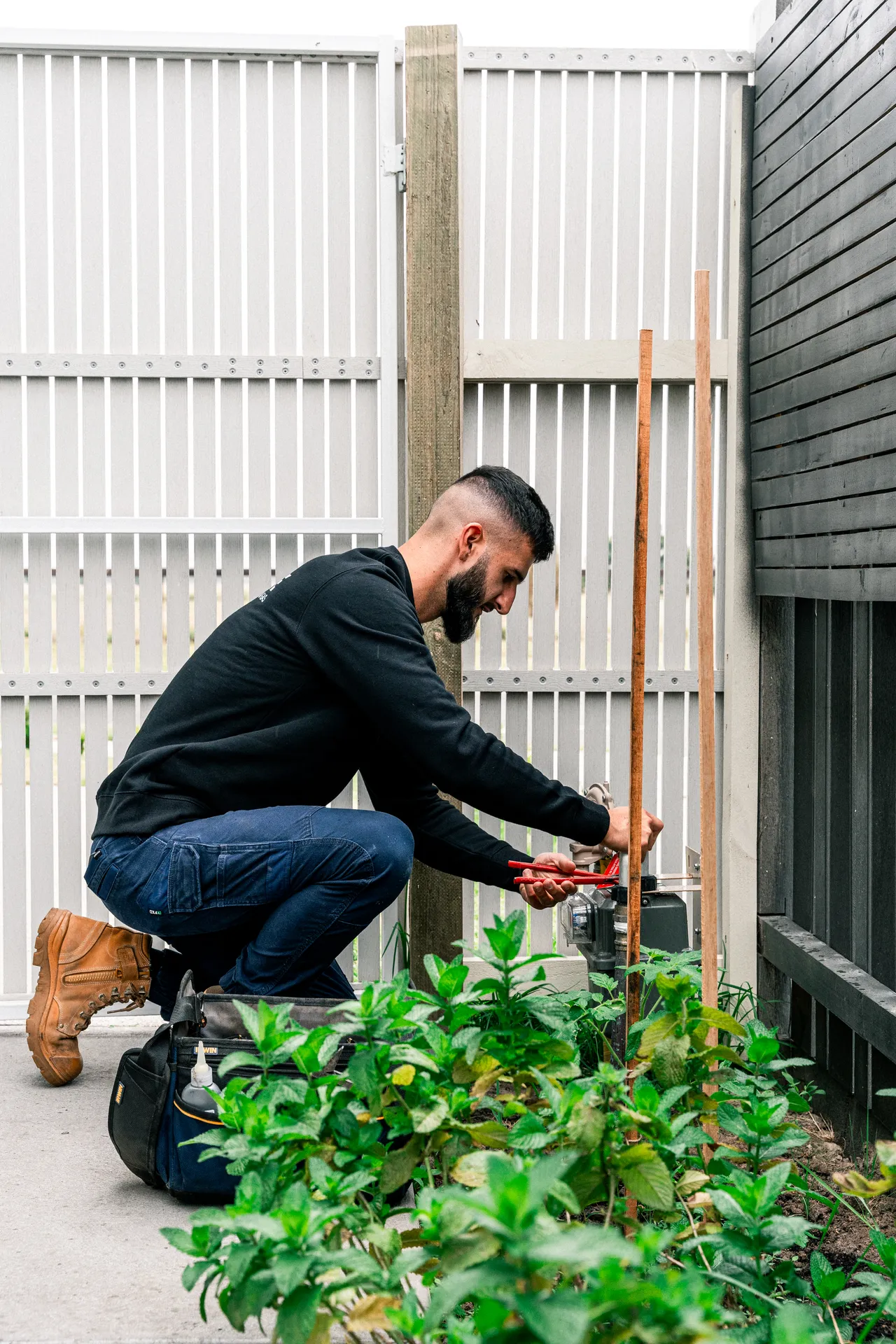
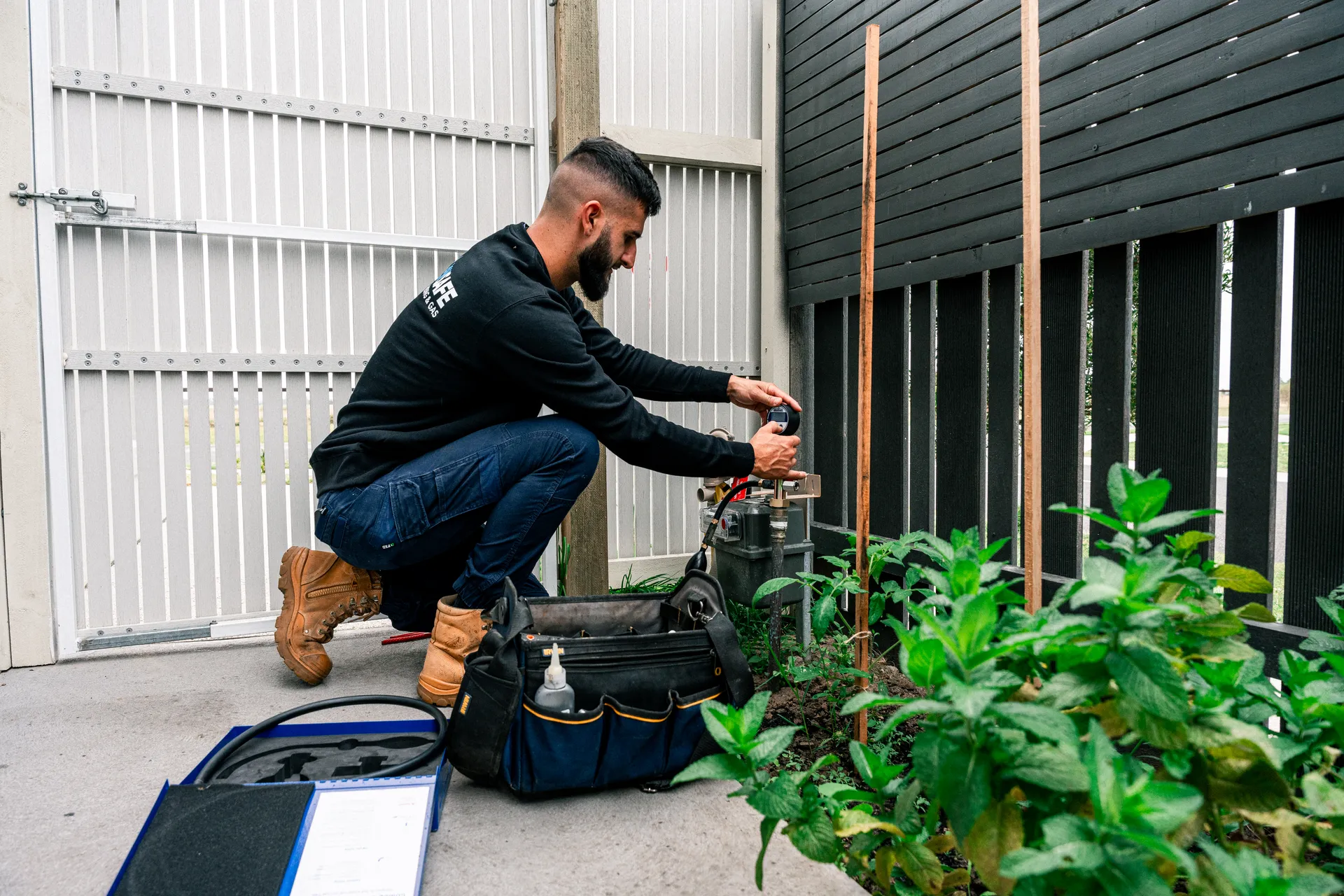
- Gas connections and fittings check: full gas pressure test at the unit
- Pilot light or electronic ignition system inspection, clean and test
- Gas valve inspection and operation test
- Fan motor inspection: check bearings, electrical connections and operating speed
- Capacitor check: test start and run capacitors
- Zone controller or thermostat inspection and calibration check
- Carbon monoxide (CO) combustion test: check CO levels are within safe limits
- Duct integrity spot check: identify obvious duct disconnections or damage visible from the unit
- System functional test: run the system through a full heating cycle and confirm correct operation
- Written service report provided on completion: what was done, what was found, recommendations
Common Ducted Gas Heating Faults: What Causes Them and What to Do
If your ducted system is showing any of the following symptoms, call us. Most faults can be diagnosed and repaired in a single visit.
Fault 1: System Not Igniting / No Heat
What you notice: You turn on the zone controller, the system appears to start, but no heat is produced. The fan may run but blow unheated air.
What to do: Check your gas supply first. If confirmed, call us for a same-day diagnosis. A system that runs but does not produce heat typically requires a professional diagnosis to identify whether the fault is ignition, gas supply or flame sensing.
Fault 2: System Cuts Out Shortly After Starting
What you notice: The system starts up, runs for a short period, typically 3 to 10 minutes, and then shuts down. It may restart and repeat the cycle.
Common causes
- Blocked return air filter: the most common cause. Restricted airflow causes the heat exchanger to overheat, triggering the overheat safety switch.
- Partially closed or blocked room vents similar airflow restriction effect
- Faulty overheat limit switch
- Fan motor fault insufficient airflow despite a clean filter
- Cracked heat exchanger causing combustion gases to contaminate the air stream, triggering CO protection
What to do: Check and clean the return air filter immediately. Ensure all room vents are open. If the problem persists after cleaning the filter, call us. A system that repeatedly overheats requires professional diagnosis, a cracked heat exchanger is a safety issue.
Fault 3: System Running But Heating Unevenly
What you notice: Some rooms are warm but others remain cold, or the system runs constantly without bringing the home to the set temperature.
Common causes
- Partially blocked return air filter reducing overall system output
- Ducting that has come loose, collapsed or been damaged in the roof space, heated air escaping into the roof rather than into the room
- Zone control fault zones not opening or closing correctly
- Undersized system for the home's heating load
- Blocked or closed vents in specific rooms
What to do: Check all room vents are open. Clean the return air filter. If specific rooms are persistently cold, call us for a duct and zone control inspection.
Fault 4: Fault Code Displayed on the Controller
What you notice: The zone controller or main unit display is showing a fault code, error number or warning indicator.
Common causes: Varies by brand and code: see our Ducted Heating brands section below for brand-specific fault codes, or visit our Gas Heater Error Codes guide.
What to do: Note the code and try one reset: isolate power at the circuit breaker for 30 seconds, restore and retry. If the code reappears, do not continue resetting. Call us for a diagnosis.
Fault 5: System Making Unusual Noises
What you notice: Banging, rattling, grinding, squealing or persistent clicking during operation or on startup.
Common causes
- Banging or booming on startup: Delayed ignition, gas accumulating before the burner lights. Common with a dirty burner or low gas pressure.
- Rattling: Loose panels, components or objects inside the return air grille or duct system.
- Grinding or squealing: Worn fan motor bearings, a sign the motor is nearing the end of its service life.
- Persistent clicking: Ignition module that will not stop attempting to ignite, indicates an ignition or gas supply fault.
What to do: A booming startup noise (delayed ignition) should be investigated promptly, it is both a safety concern and a sign of a fault that will worsen. Grinding fan motors should be diagnosed before the motor fails completely, as a motor failure mid-winter is an emergency situation.
Fault 6: System Running Constantly Without Reaching Set Temperature
What you notice: The system runs continuously without cycling off, even after the home should have reached a comfortable temperature. Your gas bill increases significantly.
Common causes
- Faulty zone controller or thermostat reading the room temperature incorrectly
- Zone control issue with zones failing to close
- Heat loss from damaged duct work in the roof space
- System undersized for the home's heating requirements
What to do: Call us for a zone controller and thermostat check. If the system is clearly undersized for the home, we can advise on an upgrade.
Fault 7: No Power to the System
What you notice: The zone controller has no display, or the main unit does not respond at all.
Common causes
- Tripped circuit breaker check the switchboard
- Faulty PCB or transformer
- Wiring fault
- The isolator switch near the unit has been turned off
What to do: Check the circuit breaker and the isolator switch near the unit first. If these are fine and the system has no power, call us for an electrical and PCB diagnosis.
Fault 8: Smell of Gas Near the Unit
What you notice: A gas odour (rotten egg or sulphur-like smell) detectable near the main unit or in rooms when the system is running.
Common causes
- Gas leak at a connection or fitting at the main unit
- Incomplete combustion producing byproducts
What to do: This is a safety emergency. Turn off your gas at the meter, open all windows and doors, do not use any switches or appliances, and call us immediately from outside the property.
Fault 9: Higher Than Normal Gas Bills
What you notice: Your gas bill has increased significantly without a noticeable change in how you use the system.
Common causes
- Dirty burner reducing combustion efficiency
- Blocked return air filter causing the system to run longer to reach the set temperature
- Damaged duct work losing heated air into the roof space
- System running in degraded condition and working harder than it should
What to do: An annual service typically resolves efficiency problems. If your bill has spiked sharply, call us for a full system efficiency assessment.
Fault 10: System Turns On But Fan Will Not Run
What you notice: You can hear the ignition sequence and the burner may light, but no air comes out of the vents.
Common causes
- Faulty fan motor
- Failed start or run capacitor the most common electrical fault on fan motors
- Wiring fault to the fan motor
- Faulty PCB fan control circuit
What to do: Do not continue running a ducted system if the fan is not operating, the heat exchanger will overheat rapidly without airflow. Call us immediately.
Common causes
- Gas supply issue: check that other gas appliances in the home are working
- Faulty ignition module or spark igniter
- Dirty or blocked burner preventing ignition
- Faulty gas valve not allowing gas flow to the burner
- Flame sensor fault: the system ignites but does not detect the flame and shuts down
Ducted Heater Not Working? Call Now.
Same-day ducted heating repairs available across Melbourne. Our licensed gas fitters carry common parts on the van. Most faults resolved in a single visit. No call-out fee when you book online. Upfront pricing always.
How Often Should You Service Your Ducted Gas Heating System?
Recommended Service Frequency
| System Type / Situation | Recommended Service Frequency |
|---|---|
| Standard ducted system in regular use | Every 12 months: before winter |
| System used occasionally | Every 2 years minimum |
| System over 10 years old | Every 12 months |
| System showing any fault or reduced performance | Immediately |
| Rental property system | Every 2 years minimum: written report required |
| System not serviced in the past 3+ years | Book immediately: do not wait |
Return Air Filter Cleaning: This is a Maintenance Task You Can Do Yourself:
The return air filter should be cleaned every 6 to 12 weeks during periods of heavy use. This is the single most impactful maintenance step a homeowner can take between professional services. A dirty filter is the root cause of more ducted heating faults than any other single factor.
How to clean your return air filter
- Locate the return air grille typically in a central hallway ceiling or wall
- Open the grille and remove the filter
- Vacuum the filter to remove loose dust
- Wash with warm soapy water and allow to dry completely before reinstalling
- Reinstall the filter and close the grille securely
If the filter is damaged, torn or excessively soiled, call us and we will supply and install a replacement at the next service visit.
What to Expect When You Book a Ducted Heating Service
- 1
Call 0468 279 956 or fill in our online booking form. No call-out fee when you book online. We will confirm your appointment and provide an upfront price.
- 2
Our licensed gas fitter arrives at the agreed time. We call when on the way. No vague all-day windows. We respect your schedule.
- 3
We carry out all 16 service tasks listed above. If we find a fault, we tell you immediately, clearly, honestly, and with an explanation, before carrying out any additional work.
- 4
Every service includes a CO combustion test and full gas safety inspection at no extra cost. This is not optional. If your system passes, you'll know it. If it doesn't, we'll tell you exactly what needs to happen.
- 5
You receive a complete written service report detailing everything we did, everything we found and any recommendations. This is your service record for warranty purposes and rental compliance documentation.
Ducted Gas Heating Brands We Service and Repair
Our licensed gas fitters are trained across all major ducted gas heating brands installed in Melbourne homes. Whatever system you have, we service and repair it.
Victoria's most widely installed ducted heating brand. We are highly experienced with all Braemar models including the Dominator, Supernova and Durango series. Braemar fault codes and technical specifications are well understood by our team.
A trusted brand with a large Melbourne installed base. We service and repair all Brivis models including the Buffalo, Durango, Star Pro and Networker series. Brivis zone controllers and PCBs are commonly diagnosed and repaired by our team.
Australia's leading gas appliance brand. We service all Rinnai ducted gas heating models and are experienced with Rinnai's digital controllers and zone control systems.
A well-established brand in Melbourne homes built during the 1990s and 2000s. We service and repair the full Bonaire ducted heating range.


Why Melbourne Homeowners Choose Gas Experts Melbourne for Ducted Heating Service and Repairs