Carbon Monoxide: The Silent Risk in Melbourne Homes
Every year in Australia, people are hospitalised and killed by carbon monoxide poisoning in their own homes. In the majority of cases, the source is a poorly maintained or faulty gas appliance. In many cases, the family had no idea there was a problem.
Carbon monoxide is produced when gas appliances do not burn gas completely. It is colourless, odourless and tasteless. It produces no visible smoke, no obvious warning signs and no smell. Without professional testing equipment or a CO alarm, you will not know it is present in your home until symptoms develop.
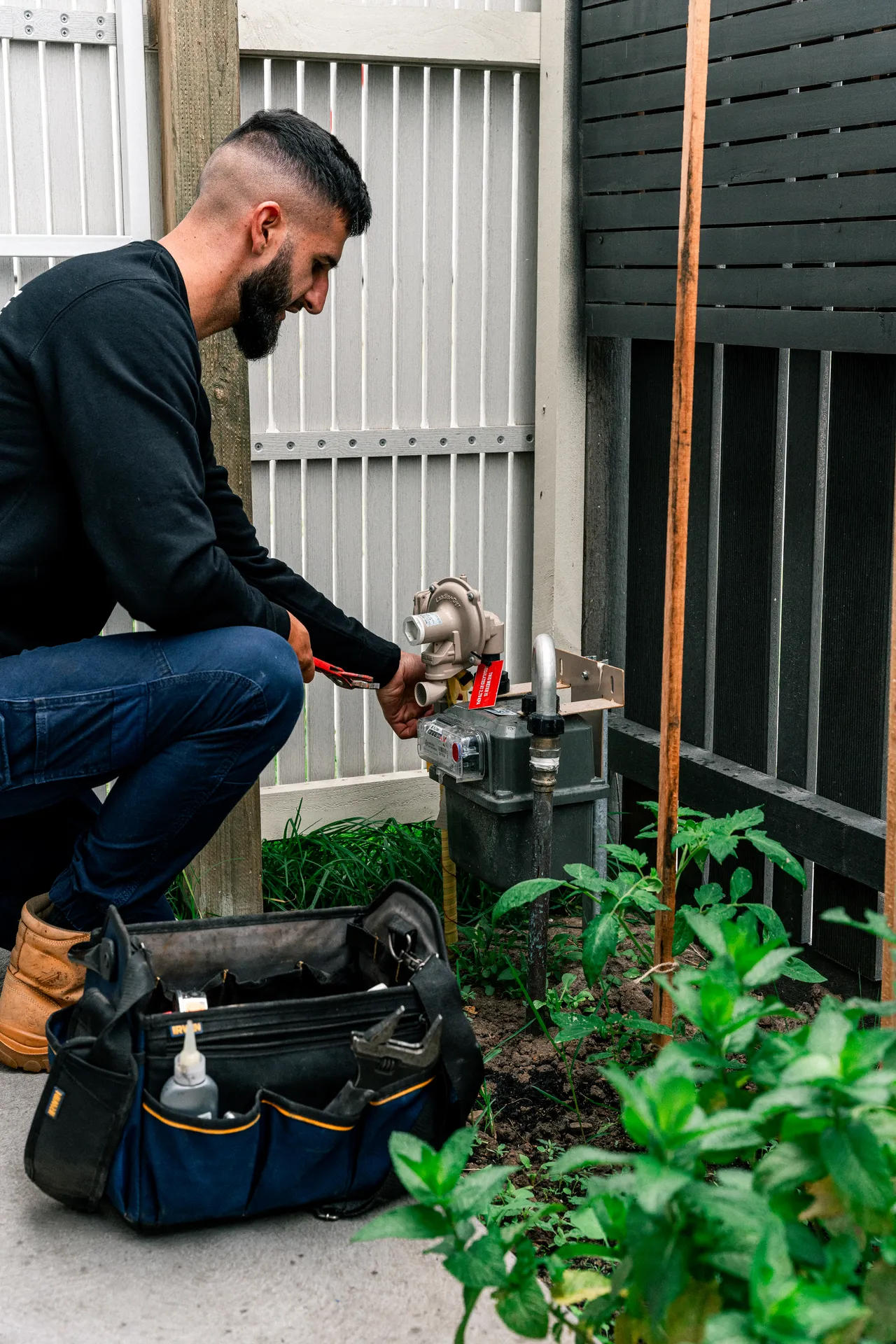
Gas Experts Melbourne includes a carbon monoxide combustion test on every gas service, repair and installation we carry out. For homeowners who want a standalone CO assessment, or who are concerned about a specific appliance, we also provide dedicated CO testing services across Melbourne.
The cost of a CO test is minimal. The cost of not having one can be catastrophic.
Understanding Carbon Monoxide and Its Risks
What Is Carbon Monoxide?
Carbon monoxide (CO) is a gas produced by the incomplete combustion of carbon-containing fuels, including natural gas, LPG, wood, petrol and diesel. In a properly functioning gas appliance with adequate ventilation and a clean burner, very little CO is produced. In a poorly maintained appliance, a blocked flue, a cracked heat exchanger or an appliance operating in an inadequately ventilated space, CO production increases significantly.
CO is lighter than air and disperses quickly in well-ventilated spaces. In enclosed or poorly ventilated areas, it accumulates. Modern Melbourne homes are increasingly well insulated and draught-sealed, which means CO from a faulty appliance accumulates faster and to higher concentrations than in older, draughtier homes.
Why Is Carbon Monoxide So Dangerous?
When CO is inhaled, it binds to haemoglobin in red blood cells with an affinity approximately 200 to 250 times greater than oxygen. This prevents red blood cells from carrying oxygen to the body's tissues. At low concentrations, CO causes symptoms similar to the flu. At higher concentrations, it causes loss of consciousness, brain damage and death.
The critical danger of CO is that its symptoms are non-specific. Headache, fatigue, dizziness and nausea are easy to attribute to tiredness, illness or stress. Many victims of CO poisoning do not connect their symptoms to their gas appliances until serious harm has occurred.
WHO Is Most Vulnerable?
While everyone is at risk from CO exposure, certain groups are particularly vulnerable:
- Infants and young children their smaller bodies absorb CO faster
- Elderly people reduced cardiovascular reserve makes them more susceptible
- People with heart or respiratory conditions
- Pregnant women CO affects the developing foetus
- People who sleep in or near rooms with gas appliances
CO Poisoning Symptoms
| CO Exposure Level | Typical Symptoms |
|---|---|
| Low (headache threshold) | Mild headache, fatigue, slight nausea |
| Moderate | Throbbing headache, drowsiness, confusion, rapid heart rate |
| High | Severe headache, vomiting, disorientation, visual disturbance |
| Very high | Loss of consciousness, convulsions, death |
Key warning sign: Symptoms that improve when you leave the home and return when you go back inside strongly suggest a CO source within the property.
The Most Common Sources of Carbon Monoxide in Melbourne Homes
The heat exchanger is the component that separates combustion gases (including CO) from the air circulating through your home. Over years of thermal cycling, heat exchangers develop micro-cracks. These cracks allow combustion gases to enter the air stream and be distributed through every vent in the home.
A cracked heat exchanger is the single most serious CO risk in a Melbourne home. It is also completely undetectable without professional testing. Our annual service includes a heat exchanger inspection and a CO combustion test on every heater we service.
A ducted heating system's flue is designed to carry combustion gases safely outside the home. A blocked, damaged or incorrectly installed flue causes combustion gases to recirculate or vent into the roof space and living areas. This is a particularly serious risk because the system distributes CO-contaminated air throughout the entire home via the duct network.
Unflued gas heaters release all combustion gases directly into the living space. In well-ventilated areas, CO disperses quickly. In modern, well-sealed homes or in rooms with inadequate ventilation, CO and other combustion byproducts accumulate. Unflued gas heaters should not be used in bedrooms, small rooms or any poorly ventilated space.
Gas hot water systems installed in enclosed utility cupboards, garages or internal laundries without adequate ventilation can produce elevated CO levels if the combustion air supply is insufficient. This is often exacerbated by storage of items near the unit that restrict airflow.
Gas cooking appliances produce CO during normal use. In well-ventilated kitchens with an operating range hood, this is not a concern. In kitchens without adequate ventilation or where the range hood is not used, CO from cooking can accumulate to significant levels over time.
Any gas appliance that has not been regularly serviced can develop combustion inefficiencies over time. Dirty burners, restricted air inlets, deteriorated seals and worn components all contribute to incomplete combustion and elevated CO production.
What Our Carbon Monoxide Testing Service Includes
Our CO testing service is a comprehensive assessment of every gas appliance in your home.
Service Duration: Typically 45 to 90 minutes depending on the number of appliances.
CO Testing Checklist
- Visual inspection of all gas appliances: condition, ventilation, flue connections
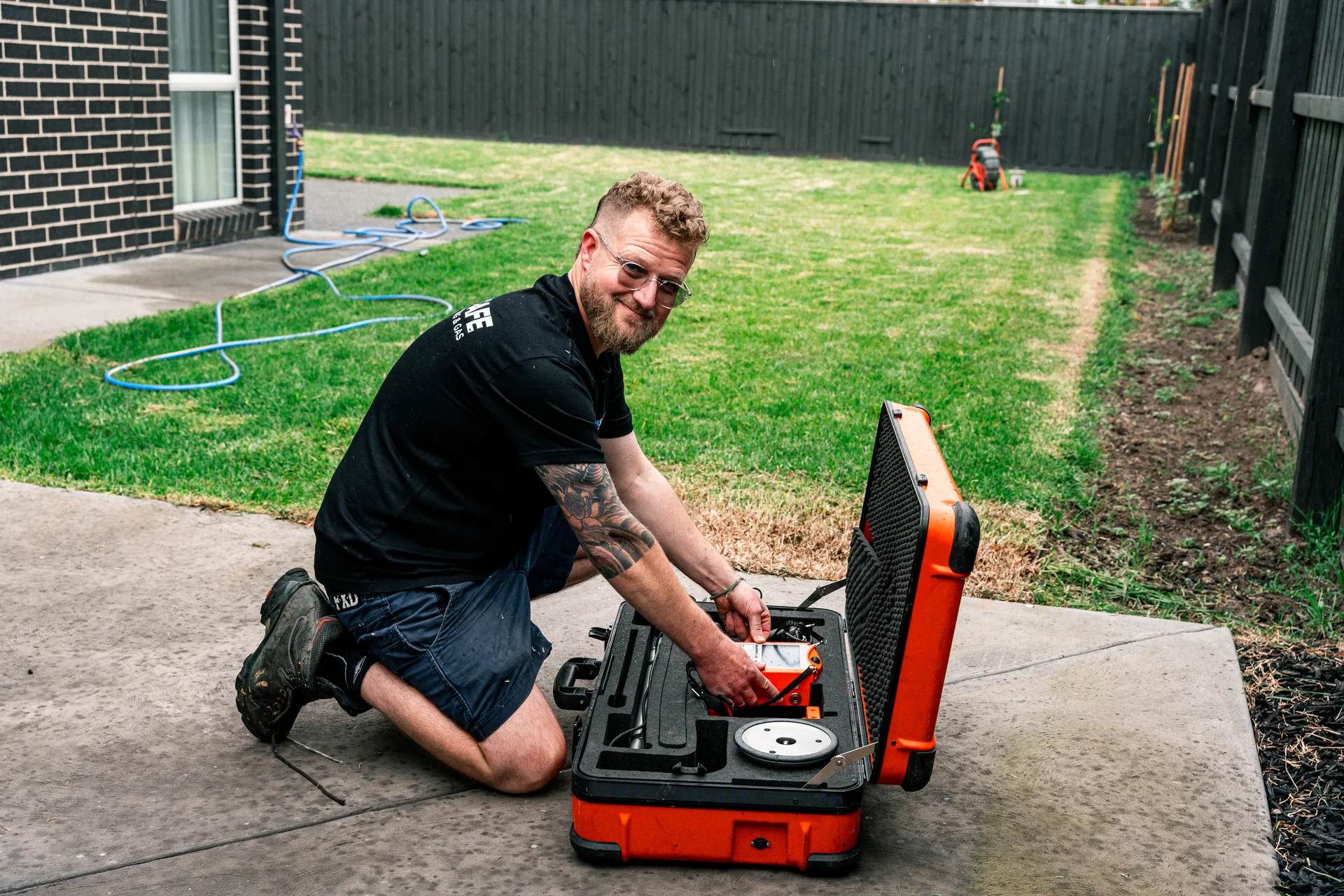
- Combustion analysis test on all gas heaters and hot water systems, we measure the CO concentration in the flue gases using calibrated combustion analysis equipment
- Ambient CO monitoring: we check CO levels in the room air during appliance operation
- Flue gas spillage test: we test whether flue gases are escaping into the living space rather than venting externally
- Heat exchanger integrity assessment: visual and operational checks for signs of heat exchanger failure
- Ventilation assessment: confirm adequate combustion air supply and room ventilation for all appliances
- CO alarm installation assessment: identify optimal placement for CO alarms if not already installed
- Written report: document every appliance tested, CO readings recorded and any issues identified
Book a CO Safety Check for Your Melbourne Home Today.
Gas Experts Melbourne provides professional carbon monoxide testing across Melbourne. Written report included. CO alarm supply and install from $66. Same-day service available. No call-out fee when you book online.
CO Alarm Supply and Installation: From $66
A carbon monoxide alarm is your passive safety net between professional services. It monitors the air continuously and sounds a loud alarm if CO concentrations reach dangerous levels, giving your family time to evacuate.
Gas Experts Melbourne supplies and installs dual smoke and CO combination alarms.
A dual alarm provides protection against both fire and carbon monoxide from a single device. This is the most practical and cost-effective approach for most Melbourne homes.
Where Should CO Alarms Be Installed?
For maximum protection, CO alarms should be installed
- In every room containing a gas appliance (heater room, laundry, kitchen)
- In or immediately outside every bedroom CO accumulates at night when ventilation is lowest
- On every level of a multi-storey home
- In hallways connecting bedrooms to living areas
The more CO alarms you have, the more comprehensive your protection. We can advise on optimal placement when we attend.
How CO Alarms Work
CO alarms use an electrochemical sensor that detects CO molecules in the air. When CO concentrations reach a threshold level, the alarm activates with a loud audible alert. Most alarms also have a digital display showing the current CO reading. CO alarms have a sensor lifespan of approximately 5 to 7 years and should be replaced when the sensor expires.
Our CO Alarm Offer
- Dual smoke and carbon monoxide alarm: supplied and installed from $66
- Installed in the optimal location for your home's layout and appliance positions
- Battery-operated models available for easy installation anywhere in the home
- Hardwired interconnected models available for new builds or renovations
Carbon Monoxide Testing for Rental Properties in Victoria
Victorian rental regulations require landlords to ensure all gas appliances in rental properties are maintained in safe working order. CO testing is a critical component of any gas safety inspection for a rental property.
Gas Experts Melbourne provides CO testing as part of our comprehensive rental compliance inspections. Our written report documents CO readings at every appliance and confirms the property meets gas safety standards.
If a gas appliance in a rental property produces elevated CO readings, we will identify the issue, advise on the repair or replacement required and carry out the work in a single visit wherever possible.
We work with landlords, property managers and real estate agents across Melbourne for regular rental compliance inspections. Contact us to discuss a scheduled inspection program for your rental portfolio.
Why Melbourne Families Choose Gas Experts Melbourne for CO Testing