Gas Leak Detection and Repair: Melbourne's Licensed Specialists
A gas leak is never something to wait on. Natural gas and LPG are flammable and can ignite from a single spark. In an enclosed space, leaking gas displaces oxygen and creates an explosive atmosphere. The consequences of ignition can be devastating.
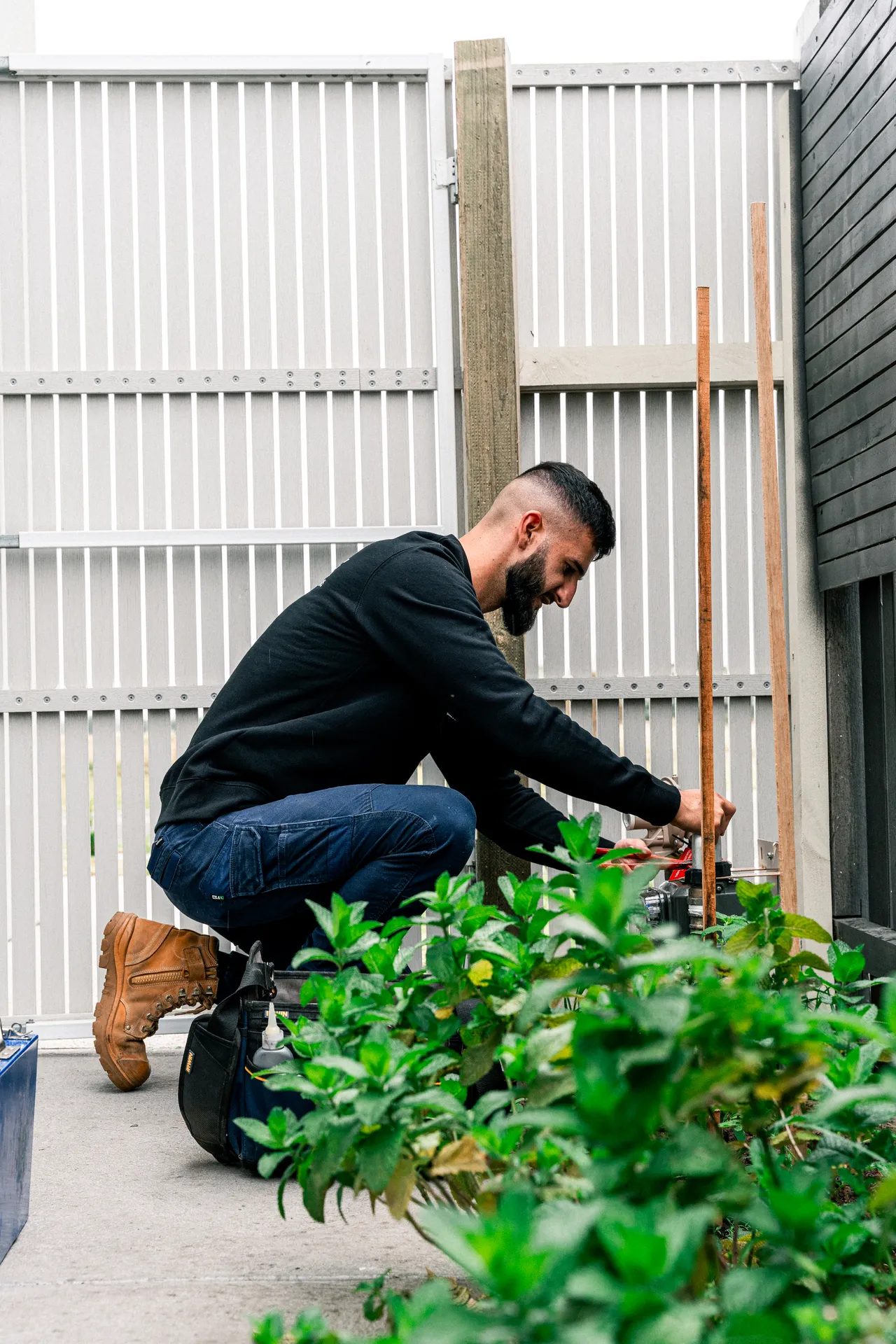
Gas Experts Melbourne provides professional gas leak detection across Melbourne using calibrated gas detection equipment. We locate the source of every leak accurately, carry out safe and compliant repairs, and confirm the leak has been fully resolved with a post-repair pressure test before we leave.
If you can smell gas in your home right now, stop reading this page, follow the emergency instructions above and call us immediately.
If you want to confirm there are no undetected leaks in your home's gas system, even if you cannot smell anything, book a professional gas leak test. Many gas leaks produce no obvious odour, particularly slow leaks in roof spaces, under floors or at fittings located in well-ventilated areas.
What to Do If You Smell Gas at Home: Step by Step
This is the most important section on this page. If you can smell gas, follow these steps immediately.
- 1
Do not turn any light switches, power points or appliances on or off. Do not use your phone inside the property. Even a small electrical spark can ignite a gas-air mixture. Leave switches exactly as they are.
- 2
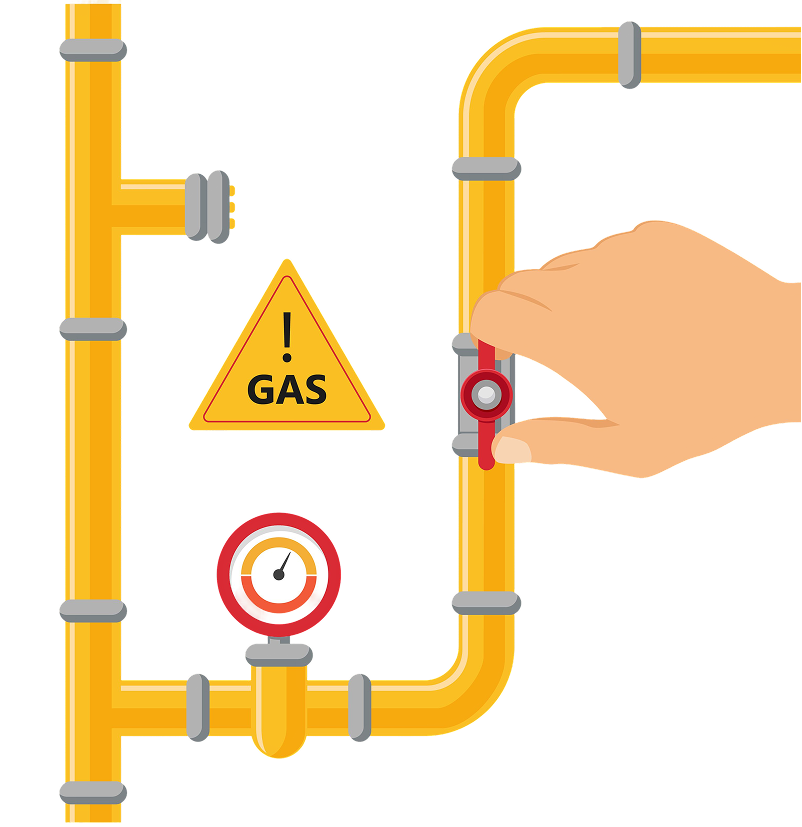
Locate your gas meter: usually at the front of the property near the letterbox or on the side of the house. Turn the valve 90 degrees so it is perpendicular to the pipe. This shuts off the gas supply to the entire property.
- 3
Open every door and window in the home. This disperses the gas-air mixture and reduces the risk of ignition. Do this quickly and without touching light switches.
- 4
If the gas smell is strong, do not remain inside the property. Leave immediately and move away from the building.
- 5
Call Gas Experts Melbourne on 0468 279 956 from outside the property or from a neighbour's home. Do not use your phone inside.
- 6
Do not re-enter the property until a licensed gas fitter has inspected the premises, located and repaired the leak, and confirmed the property is safe to re-enter.
Signs You May Have a Gas Leak at Home
Not all gas leaks produce an obvious smell. Here are the signs that may indicate a gas leak in your home.
Natural gas has a distinctive rotten egg or sulphur-like odour added specifically so leaks can be detected. If you smell this odour near a gas appliance, in a utility area or anywhere else in your home, treat it as a gas leak until proven otherwise.
A hissing or whistling sound coming from a gas pipe, connection, flexible hose or appliance fitting can indicate gas escaping under pressure.
If you notice an unusual patch of dead, yellowed or dying vegetation in your garden in an area where there are no other obvious causes, it may indicate a leak in an underground gas line below the surface. Gas displacing oxygen in the soil kills plant roots above the leak.
A sudden or unexplained increase in your gas consumption without a corresponding change in usage patterns can indicate a slow gas leak that is not detectable by smell.
If you notice bubbling in waterlogged soil or in a puddle near your gas meter or gas pipe route, this can indicate gas escaping into the ground.
While a pilot light going out can have other causes, a pattern of repeated pilot light failure combined with any other signs above should be investigated as a possible gas supply or connection issue.
Common Causes of Gas Leaks
Understanding what causes gas leaks helps explain why regular gas safety inspections are so important.
Gas connections, seals and compression fittings are subject to thermal cycling, they expand and contract with every heating and cooling cycle. Over years of use, this causes micro-leaks to develop at connection points. These leaks are often undetectable by smell and are only identified through a professional gas pressure test.
Flexible gas hoses connecting appliances to the gas supply have a finite service life. Most manufacturers recommend replacement every 10 years. An ageing or damaged flexible hose is one of the most common sources of domestic gas leaks. These hoses should be inspected at every gas service.
Gas appliances that have not been regularly serviced can develop internal leaks at the gas valve, burner connections or heat exchanger seals. A professional annual service identifies these issues before they become dangerous.
Gas connections or fittings installed by an unlicensed person may not be correctly sealed or may use non-compliant materials. Incorrectly installed gas work is a common cause of domestic gas leaks and is also a serious legal and insurance issue.
Gas pipes and fittings can be damaged by building work, renovations, ground movement, pest damage or accidental impact. Any building or renovation work near gas pipes should be followed by a professional gas pressure test.
Underground gas service lines from the street meter to the home can corrode or be damaged over time. Symptoms include unexplained gas smell at ground level, dead vegetation patterns or bubbling in wet ground near the meter or pipe route.
Suspect a Gas Leak? Don't Wait. Call Us Now.
Gas Experts Melbourne provides same-day gas leak detection and repair across Melbourne. Professional detection equipment. All leaks located and repaired. Full pressure test confirmation. Written report on every job.
Our Gas Leak Detection and Repair Process
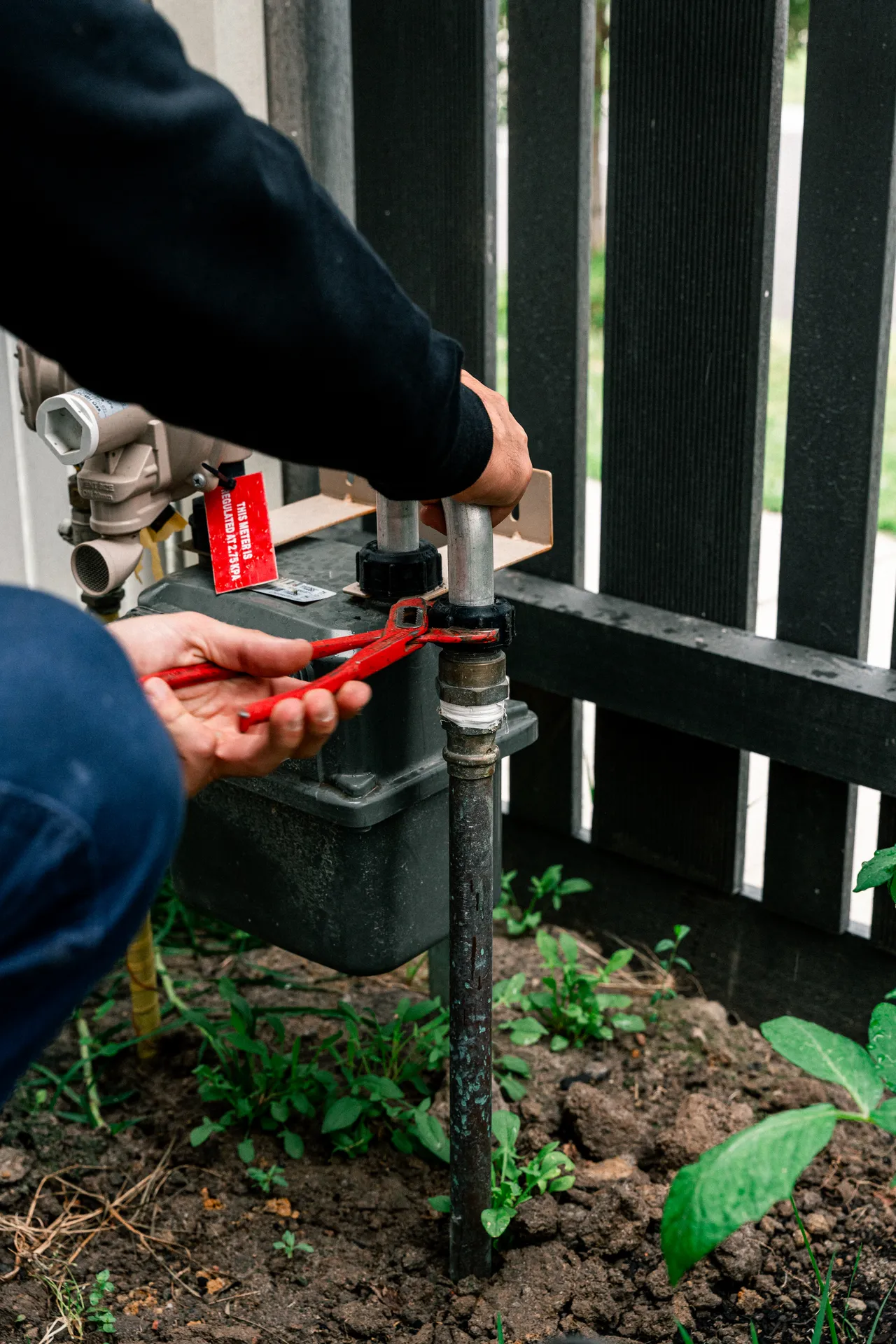
Gas Experts Melbourne uses calibrated professional gas detection equipment to locate leaks that cannot be identified by smell or visual inspection alone.
- 1
When we arrive, we carry out an initial safety assessment. We check for obvious signs of leaking gas, identify all gas appliances and trace the gas supply route through the property.
- 2
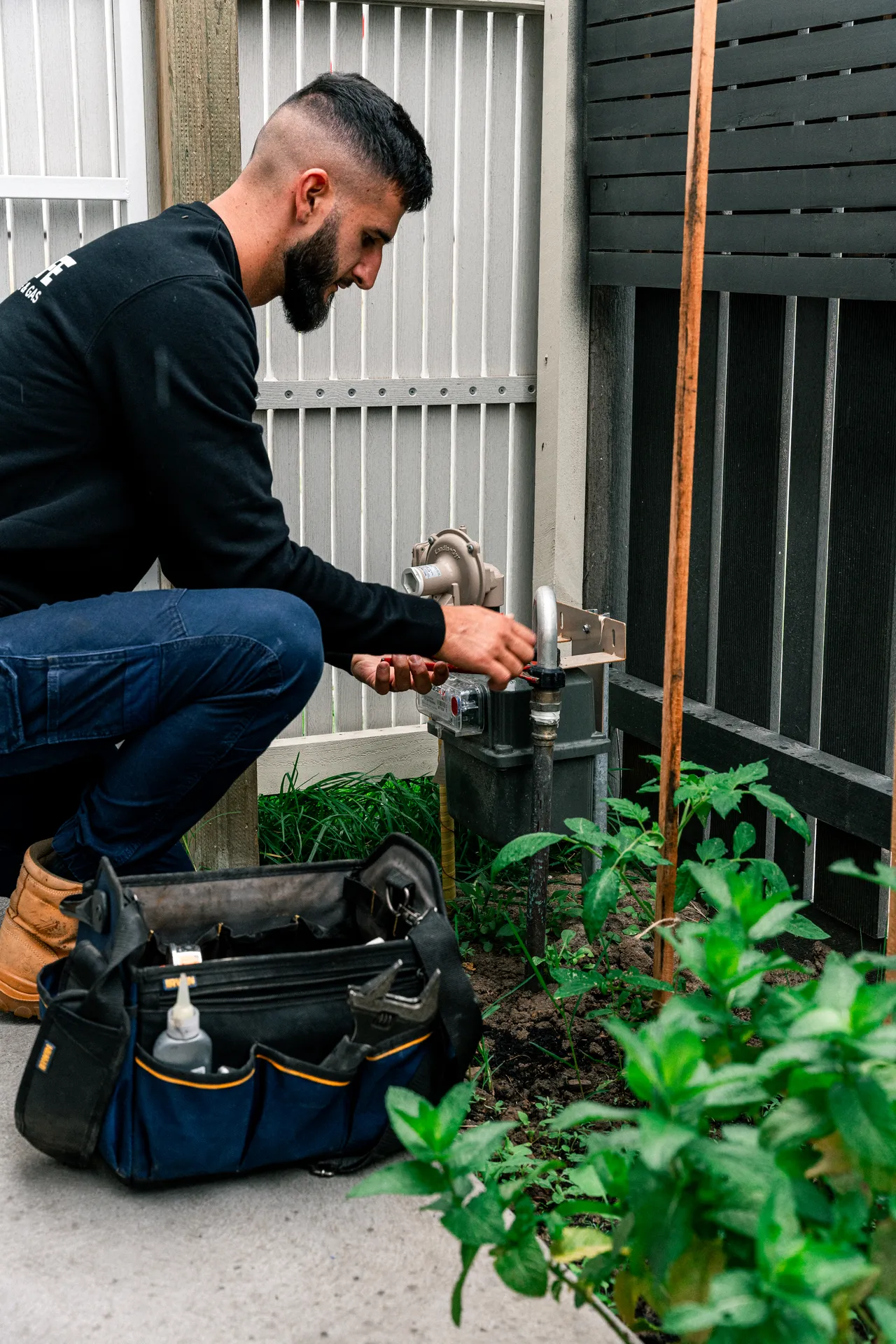
We carry out a full gas pressure test on the entire gas system. This involves isolating the meter, pressurising the system to a test pressure and monitoring for pressure loss over a set period. A pressure drop confirms there is a leak somewhere in the system.
- 3
Using calibrated electronic gas detectors, we systematically check all gas connections, fittings, flexible hoses, appliance connections and pipe routes throughout the property. Electronic detection equipment can identify gas concentrations far below the human detection threshold, locating leaks that produce no discernible odour.
- 4
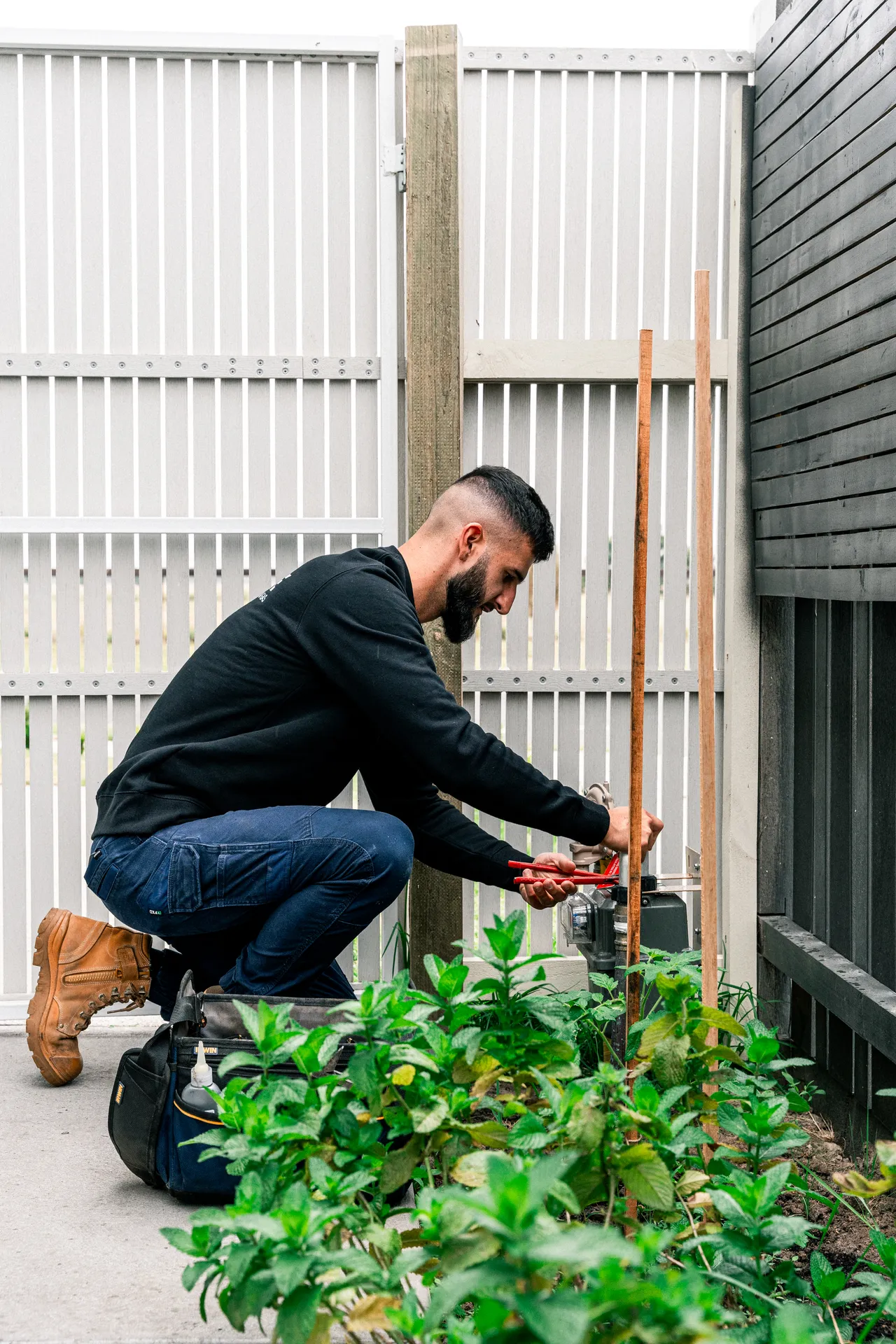
Once a suspected leak location is identified, we confirm it using leak detection spray or solution. Bubbling at the connection confirms the exact location of the leak.
- 5
We carry out the repair: typically tightening a fitting, replacing a seal, replacing a flexible hose or replacing a faulty component. We carry the most common fittings and flexible hoses on the van, so most repairs are completed in a single visit.
- 6
After the repair, we carry out a full post-repair pressure test to confirm the leak has been fully resolved. We do not leave until the pressure test confirms zero pressure loss.
- 7
You receive a written report documenting the leak location, the repair carried out and the results of the post-repair pressure test. This is your record that the property has been made safe.
Common Gas Leak Repairs We Carry Out
One of the most common repairs. Flexible gas hoses connecting appliances to the gas supply have a recommended replacement interval of 10 years. We carry a range of standard flexible hose sizes on the van and can replace most hoses in a single visit.
Compression fittings and threaded connections that have developed micro-leaks are disassembled, cleaned and re-sealed with compliant thread sealant or PTFE tape. Post-repair pressure test confirms the seal.
A gas valve on an appliance that is leaking internally or at its body seals is replaced. We carry common gas valve sizes for major appliances.
Sections of gas pipe that have been physically damaged, have corroded or have developed leaks are repaired or replaced using compliant materials and fittings.
Where a leaking appliance cannot be repaired on the same visit (pending parts, assessment or a replacement decision), we can safely isolate the appliance from the gas supply to make the rest of the gas system safe to use while the appliance is attended to.
Why Melbourne Homeowners Choose Gas Experts Melbourne for Gas Leak Detection