The Honest Guide to Ducted Gas Heating Costs in Melbourne
Ducted gas heating is one of the most significant home improvement investments a Melbourne homeowner will make. And like most significant investments, the cost question is always the first one people ask.
The problem is that most websites either refuse to give any numbers at all, or they publish figures that bear no resemblance to what you'll actually pay. Neither is useful.
This guide gives you real, current pricing from a team that installs ducted gas heating systems across Melbourne every week. We break down what you'll pay for supply and installation, what affects the cost, what running costs look like, and what you can do to reduce the upfront price through Victorian Government rebates.
If you want a fixed price for your specific home and situation, book a free in-home assessment and we'll give you an exact number before you commit to anything.
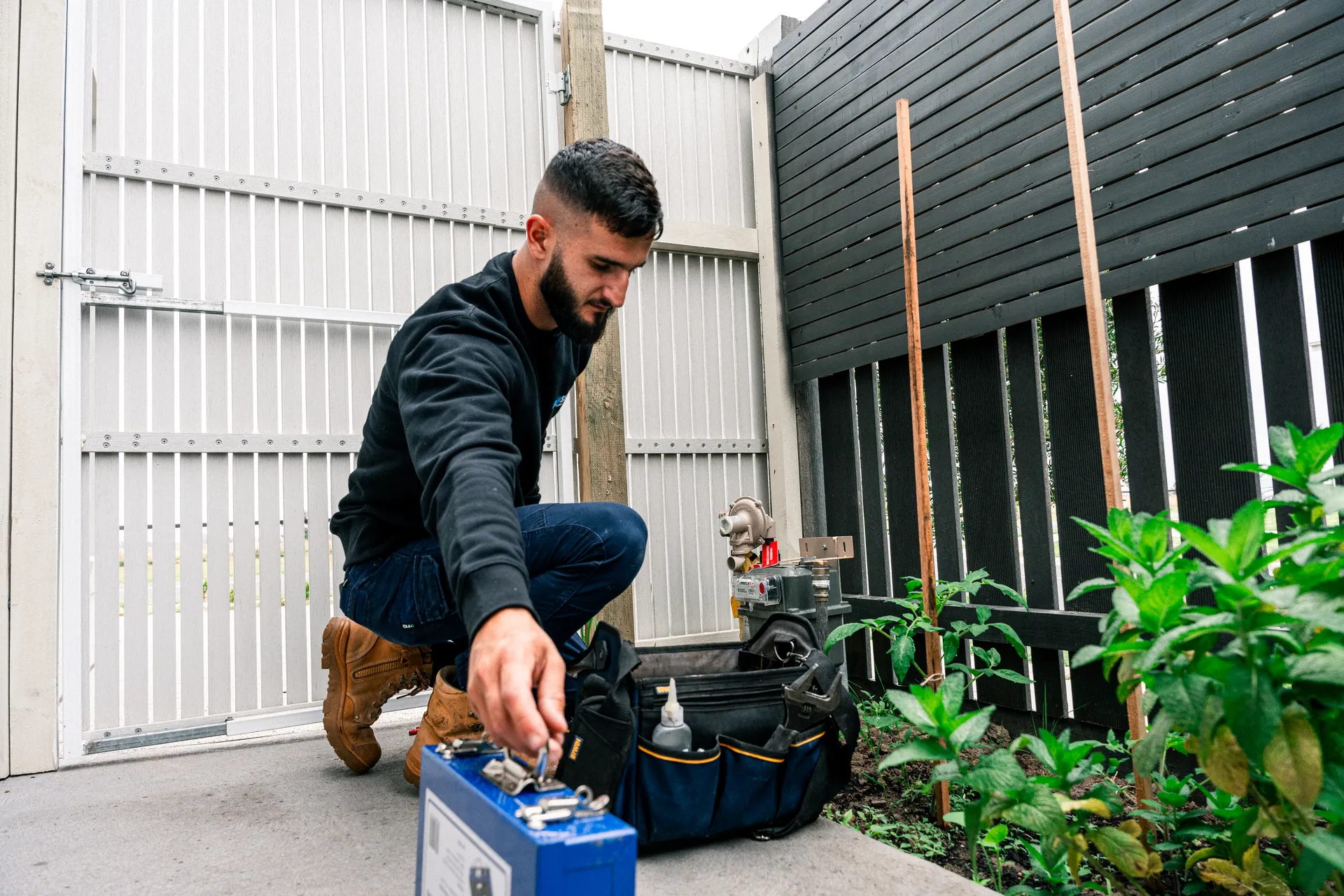
Ducted Gas Heating Installation Costs in Melbourne
The cost of a ducted gas heating installation in Melbourne depends on several factors. Here are the most common installation types and their approximate price ranges.
Like-For-Like System Replacement (Labour Only)
If you already have a ducted gas heating system and simply need to replace the main unit with a new one of a similar size, this is the most straightforward and affordable option.
The existing duct work, vents, zone controller and gas connections are retained. The old unit is removed and the new unit is installed in its place.
| Situation | Approximate Cost |
|---|---|
| Labour only: customer-supplied unit | From $600 to $900 |
| Supply and install: like-for-like replacement | From $2,500 to $4,500 |
What is included: Removal and disposal of old unit, installation of new unit, gas connection, commissioning, CO test, safety check, written report and certificate of compliance.
New Installation: Standard 3-Bedroom Home (up to 150m2)
A new installation in a home with no existing ducted heating, or a full replacement including new duct work, involves installing the main unit in the roof space, running new duct work throughout the home, installing ceiling or floor vents in each room and connecting to the gas supply.
| Situation | Approximate Cost |
|---|---|
| Supply and install: up to 150m2, standard complexity | From $3,500 to $5,500 |
New Installation: Larger Home (150m2 to 250m2)
Larger homes require a higher output system and more extensive duct work. The number of zones also increases, adding to the installation complexity and time.
| Situation | Approximate Cost |
|---|---|
| Supply and install: 150m2 to 250m2 | From $4,500 to $7,000 |
New Installation: Large Home with Full Zoning (250m2+)
For larger homes or homes requiring comprehensive zone control across multiple living areas, bedrooms and extensions, installation costs increase with the scope of the duct work and the system output required.
| Situation | Approximate Cost |
|---|---|
| Supply and install: 250m2+ with full zoning | From $6,500 to $12,000+ |
Important Note on Pricing
These are indicative price ranges only. The actual cost of your installation will depend on the specific factors listed below. We provide a fixed-price quote after a free in-home assessment, no obligation, no ballpark estimates, no hourly rates.
What Affects the Cost of Your Installation?
No two ducted heating installations are identical. Here are the key factors that determine where your installation falls within the price ranges above.
Factor 1: System Size and Output
Ducted gas heating systems are sized in megajoules per hour (MJ/h) output. Larger homes require higher output systems. A higher output system costs more than a smaller one. Correct sizing is critical: an undersized system will run constantly without reaching the set temperature, while an oversized system will short-cycle and waste energy.
| Home Floor Area | Typical System Output |
|---|---|
| Indicative System Cost | Up to 150m2 |
| 60 to 80 MJ/h | $1,800 to $3,200 |
| 150 to 250m2 | 80 to 120 MJ/h |
| $2,500 to $4,500 | 250 to 350m2 |
| 120 to 160 MJ/h | $3,500 to $5,500 |
| Over 350m2 | 160+ MJ/h |
| $5,000+ | Factor 2: Brand and Star Rating |
Different brands are priced differently, and higher star ratings (indicating greater energy efficiency) cost more upfront. However, higher star ratings reduce your ongoing running costs, so the additional upfront investment is typically recovered through energy savings over the life of the system.
Brand price positioning (approximate supply cost)
| Brand | Approximate Unit Supply Cost (standard residential) |
|---|---|
| Braemar Dominator Series | $2,200 to $4,500 |
| Brivis Star Pro Series | $2,000 to $4,000 |
| Rinnai Ducted Series | $2,000 to $4,200 |
| Bonaire Series | $1,800 to $3,500 |
Note: These are approximate supply costs only. Labour is additional. Final pricing depends on the specific model and output selected.
Factor 3: Like-For-Like Replacement vs New Installation
A like-for-like replacement is significantly less expensive than a new installation because the existing duct work, vents and gas connections can be retained. A new installation requires running new duct work, installing new vents and connecting new gas lines where required, all of which adds time and material cost.
If your existing duct work is in good condition, retaining it during a unit replacement can save $1,000 to $3,000 compared to a full replacement.
Factor 4: Roof Space Complexity
Ducted heating systems are installed in the roof space. Homes with easy roof access, good height clearance and a straightforward layout are quicker and less expensive to install in. Homes with low-pitch roofs, difficult access, complex layouts or obstacles in the roof space require more installation time and cost more.
Factor 5: Number of Zones
Zone control allows different areas of the home to be heated independently. Each zone requires motorised dampers in the duct work and wiring to the zone controller. More zones mean more components and more installation time, but the ongoing running cost savings from zone control typically outweigh the additional upfront cost.
Factor 6: Gas Line Work
If the main unit is being installed in a new location, or if additional gas line work is required to extend or upgrade the existing gas supply, this adds to the installation cost. We confirm gas line requirements during the free in-home assessment and include any additional gas line work in the fixed-price quote.
Factor 7: Existing Duct Work Condition
When replacing an older system, we assess the condition of the existing duct work as part of the in-home assessment. If ducts have collapsed, been damaged by pests or are no longer providing adequate airflow, partial or full duct replacement may be required. We will always advise you on this before you commit to the work.
How Much Does Ducted Gas Heating Cost to Run in Melbourne?
Installation is a one-time cost. Running costs are ongoing. Understanding the true cost of running a ducted gas heating system helps you make a better decision about which system to install.
What Determines Running Cost
The running cost of a ducted gas heating system depends on
- The star rating of the system higher star systems are more efficient and cost less per hour to run
- The size of the home and how much of it you heat
- How long you run the system each day
- The current price of natural gas in Victoria
- How well your home is insulated
- Whether you use zone control to heat only the areas you need
Indicative Running Cost Guide
The following figures are approximate estimates based on typical Melbourne winter usage and current Victorian gas tariffs. Actual costs will vary.
| Home Size | System Type |
|---|---|
| Estimated Daily Running Cost (8 hrs/day) | Estimated Monthly Cost (Winter) |
| 2 to 3 bedroom home (up to 150m2) | 5-star system |
| $3.50 to $6.00 per day | $105 to $180 per month |
| 3 to 4 bedroom home (150 to 250m2) | 5-star system |
| $5.50 to $9.00 per day | $165 to $270 per month |
| Large home (250m2+) | 6-star system with zoning |
| $6.00 to $12.00 per day | $180 to $360 per month |
Note: Using zone control to heat only occupied areas reduces these figures significantly, often by 30 to 50 per cent depending on home usage patterns.
Running Costs vs Reverse Cycle
A common comparison made by Melbourne homeowners is ducted gas heating vs ducted reverse cycle (electric) heating. In Victoria's current energy pricing environment, ducted gas heating is generally cheaper to run for whole-home winter heating, particularly in very cold conditions where reverse cycle efficiency drops.
As a general guide
- Ducted gas heating running cost approximately $0.04 to $0.08 per MJ of heat delivered
- Ducted reverse cycle running cost approximately $0.08 to $0.18 per MJ equivalent in very cold conditions
This is a significant difference over the course of a Melbourne winter. For homeowners whose primary concern is ongoing running cost for winter heating, ducted gas is generally the more cost-effective choice.
The Impact of Star Rating on Running Costs
A 6-star ducted gas heating system is approximately 20 to 25 per cent more efficient than a 4-star system. Over the life of a system (15 to 20 years), the energy savings from a higher star rating can significantly outweigh the additional upfront purchase cost.
As a rough guide: for a home spending $2,000 per year on ducted gas heating, upgrading from a 4-star to a 6-star system might save $400 to $500 per year in gas costs. A $500 to $800 upfront premium for the higher rated system is typically recovered within two years.
Want an Exact Price for Your Home?
The only way to get an accurate price is an in-home assessment. We inspect your roof space, measure your home, assess your gas connections and give you a fixed-price quote on the spot. No obligation. No sales pressure. Just a clear number you can make a decision from.
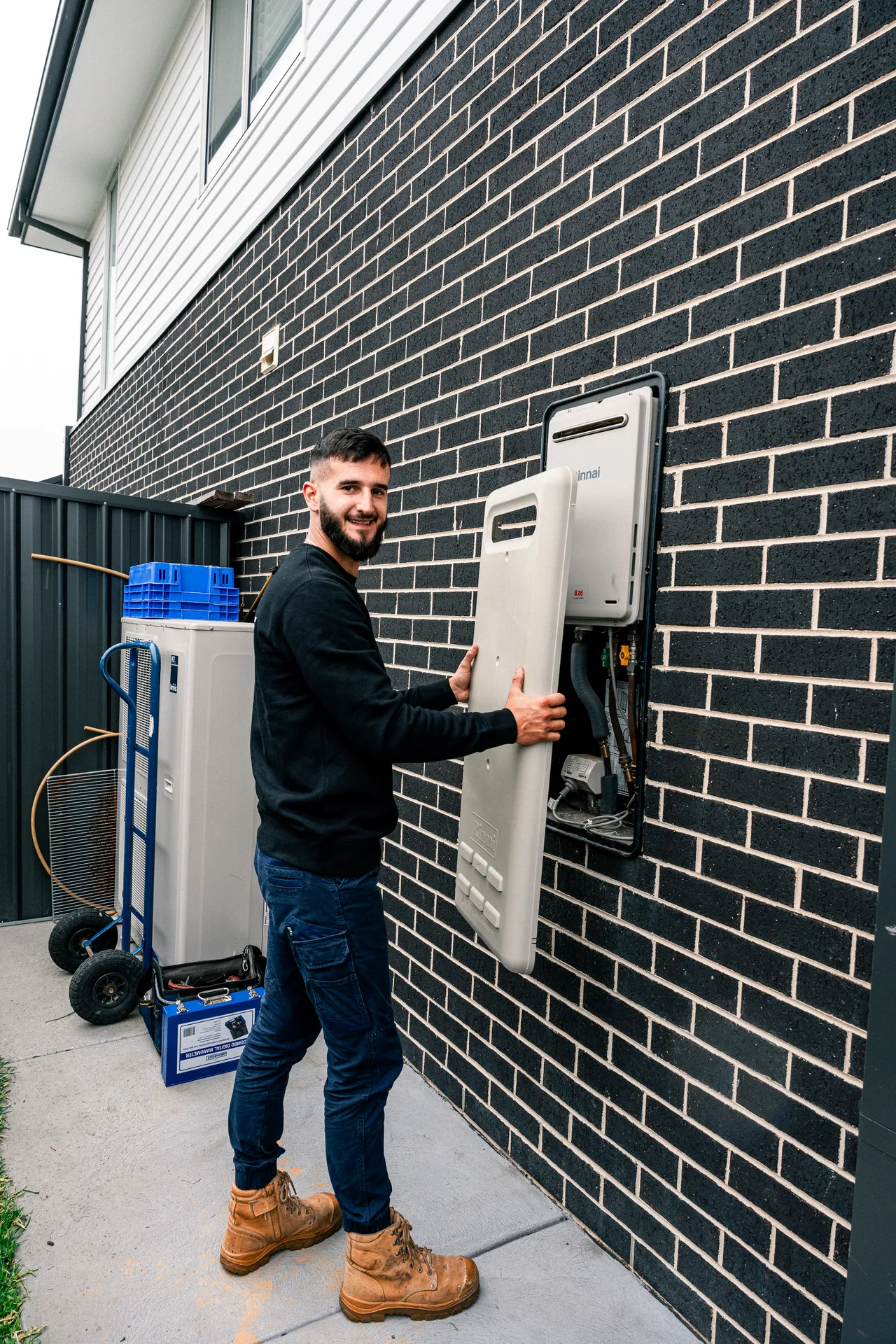
How to Reduce the Cost of Your New Ducted Gas Heating System
There are several legitimate ways to reduce what you pay for a new ducted gas heating installation.
Access Victorian Government Energy Efficiency Rebates
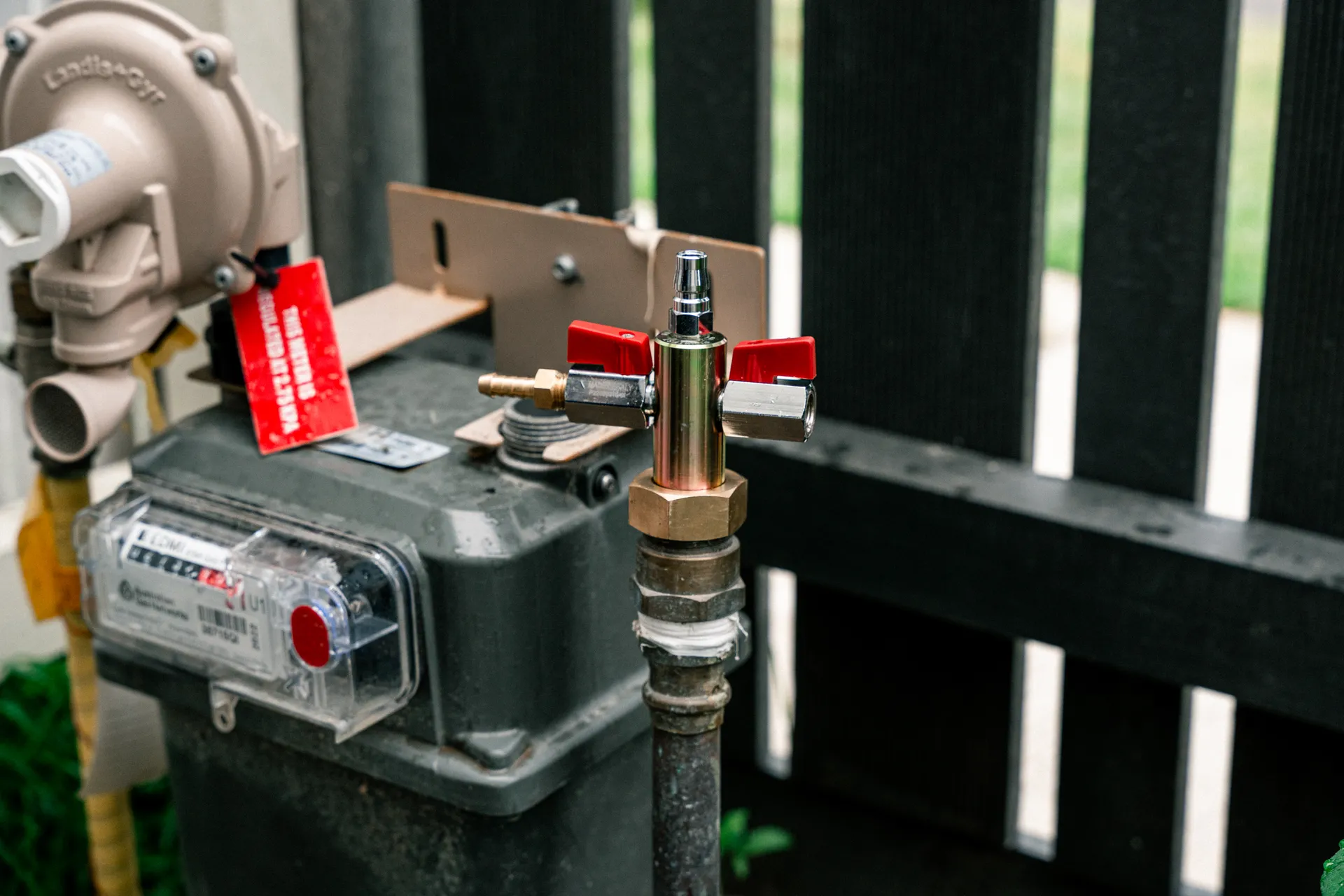
The Victorian Energy Upgrades (VEU) program provides rebates to eligible homeowners upgrading to a new high-efficiency ducted gas heating system. Rebate amounts vary depending on the system and the nature of the upgrade, but in some cases rebates can reduce the installation cost by several hundred to over a thousand dollars.
We work with accredited VEU providers and can advise on your eligibility during the free in-home assessment. Ask us about current rebate availability.
Install During a Renovation
The most cost-effective time to install ducted heating is during a renovation when the roof space is already accessible. Installing duct work while walls and ceilings are open saves significant time compared to retrofitting through a finished home.
If you are planning a renovation in the next 12 to 24 months, consider including ducted heating in the project scope. The installation cost will almost always be lower than a standalone retrofit after the renovation is complete.
Retain Existing Duct Work Where Possible
If your existing duct work is in good condition, retaining it during a unit replacement can save $1,000 to $3,000 compared to a full duct replacement. We assess duct condition as part of the free in-home assessment and will only recommend duct replacement if it is genuinely necessary.
Choose the Right System for Your Home: Not the Biggest
An oversized system costs more to purchase and wastes energy. Our free in-home assessment correctly sizes the system for your home. We do not recommend more system than you need. The right size system for your home will cost less upfront and run more efficiently.
Book in Winter Off-Season (January to March)
Demand for ducted heating installation is highest in April through August. Booking in the off-season (particularly January to March) means faster availability and, in some cases, more competitive pricing.
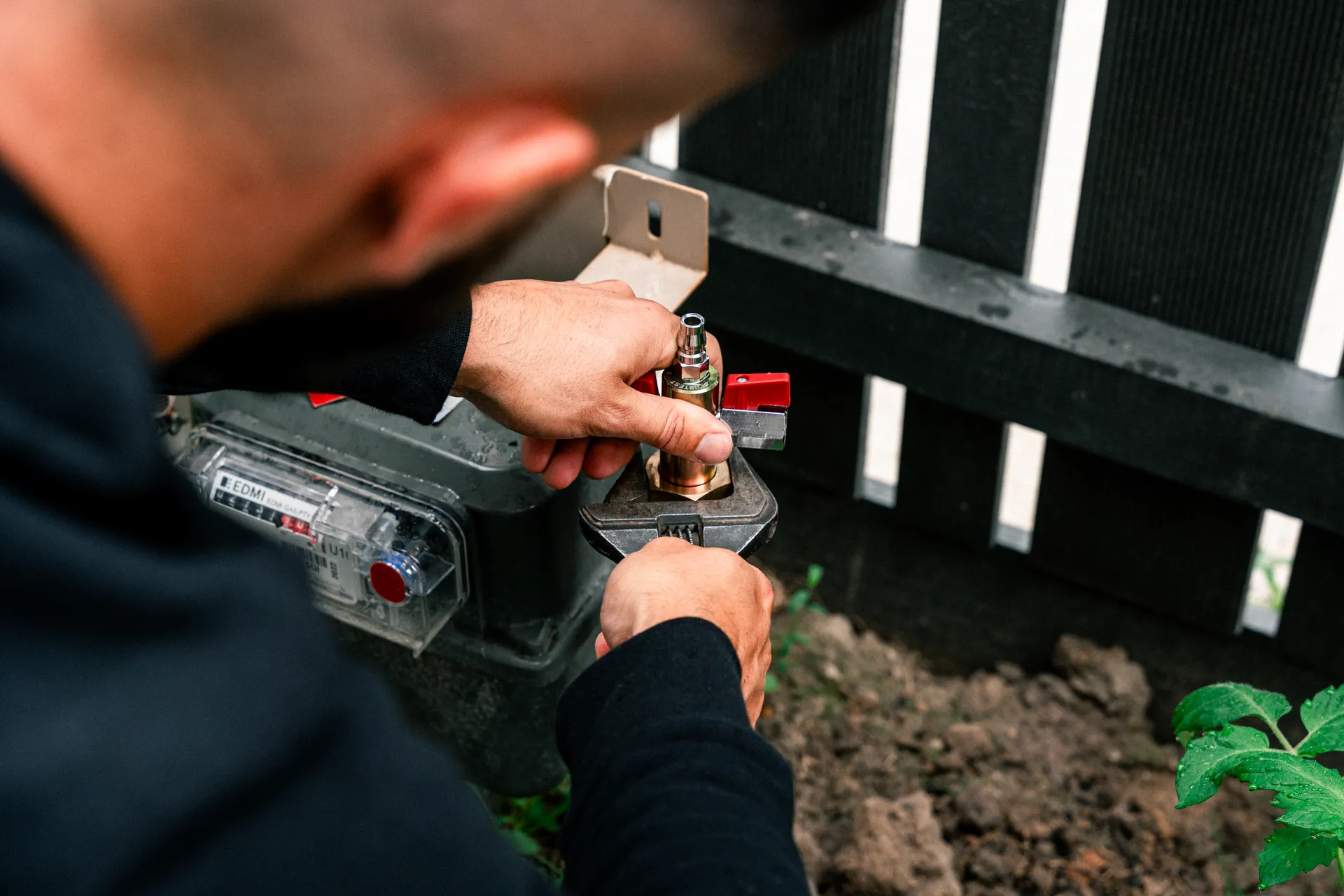
Repair or Replace: How to Make the Right Decision
This is one of the most common questions we are asked. The honest answer depends on the specific fault, the age of the system and the cost of the repair.
Generally consider repairing if
- The system is under 10 years old and has a good service history
- The fault is a common, low-cost component (fan motor, capacitor, gas valve, ignition module)
- The repair cost is clearly less than 30 to 40 per cent of replacement cost
- The system is a high star rating and is otherwise performing well
Our commitment: We will give you an honest assessment. If a repair is the right decision, we will tell you. If a replacement makes more financial sense given the system's age and condition, we will explain why clearly and without pressure.
Generally consider replacing if
- The system is over 15 years old
- The repair cost exceeds 40 to 50 per cent of the replacement cost
- The heat exchanger has cracked or been condemned, this is a safety issue and replacement is the correct response
- The system has had multiple repairs in the past two to three years
- The system is a low star rating and your energy bills are significantly higher than expected
- Parts for your model are no longer available or have long lead times
Our Pricing Commitment
Gas Experts Melbourne operates on fixed-price quoting. Here is what that means in practice.
We do not charge by the hour. You know the complete cost of the job before we start. No hourly rate shock. No additional charges that appear on the invoice that were not in the quote.
We do not charge a call-out fee when you book online. The free in-home assessment costs you nothing. The quote costs you nothing. You only pay if you proceed with the installation.
Our quote covers everything. Supply (if purchasing through us), all labour, gas connections, duct work, vents, zone controller, commissioning, CO test, safety check, old system disposal, certificate of compliance and written report. Nothing is hidden.
Special Offers
- Free In-Home Assessment for all new ducted heating installations
- Victorian Government Rebates assistance: we help eligible customers access VEU rebates
- Pensioner Discount: 10 per cent off all installation work for pension and concession card holders
Why Melbourne Homeowners Choose Gas Experts Melbourne