Melbourne's LPG Gas Specialists
While natural gas is available to most Melbourne metropolitan properties via the reticulated gas network, many homes, particularly in outer suburbs, semi-rural areas and the Mornington Peninsula, rely on LPG (liquefied petroleum gas) supplied via bottled cylinders or bulk LPG storage tanks.
LPG requires all the same licensed installation, connection and servicing standards as natural gas. In Victoria, all LPG gas fitting work must be carried out by a VBA licensed gas fitter.
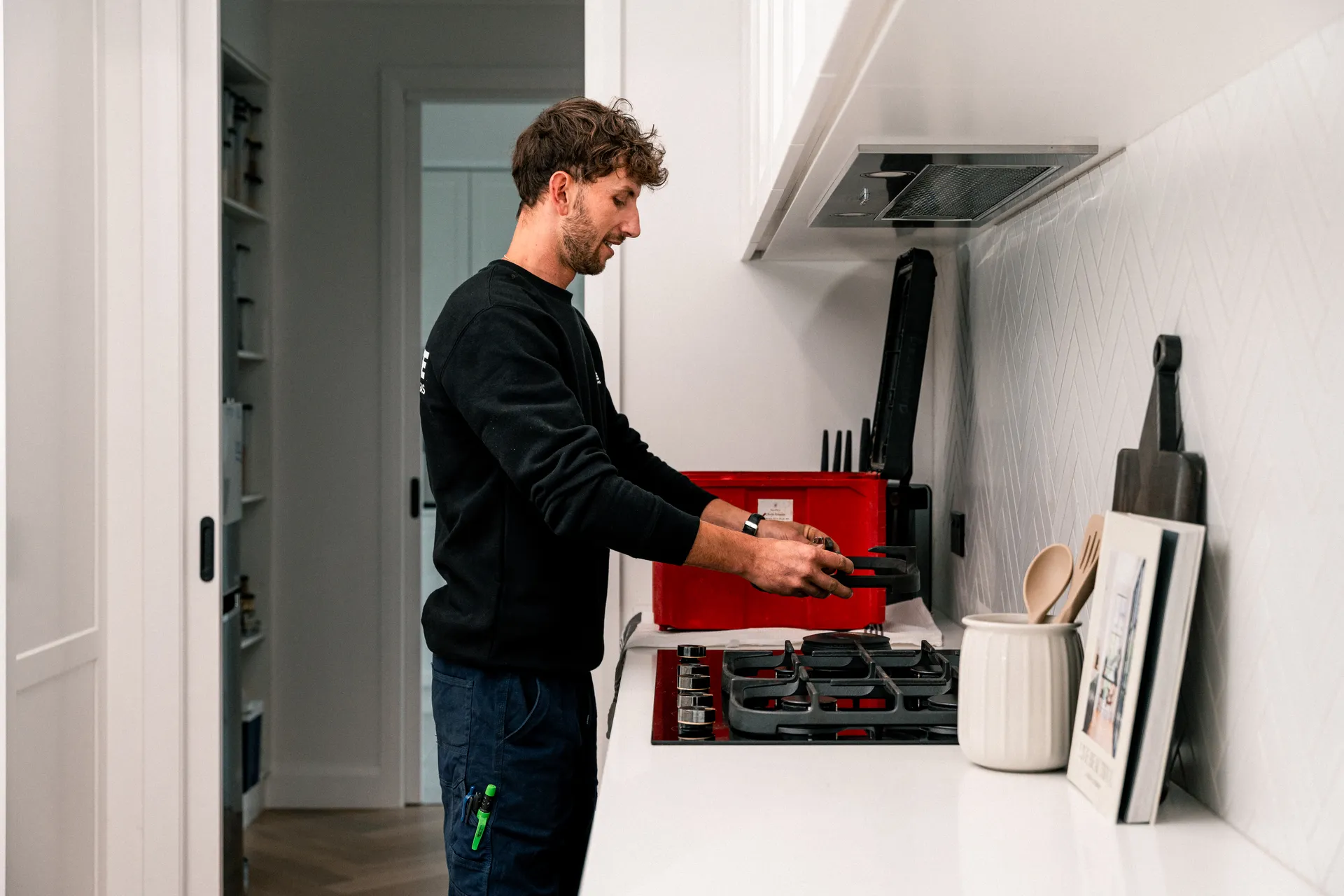
Gas Experts Melbourne provides LPG gas installation, appliance connection, system servicing and LPG to natural gas conversion services across Melbourne. Whether you are installing a new LPG system, connecting LPG appliances, servicing an existing LPG setup or converting from LPG to natural gas where the network has become available, we handle the full scope of LPG gas work.
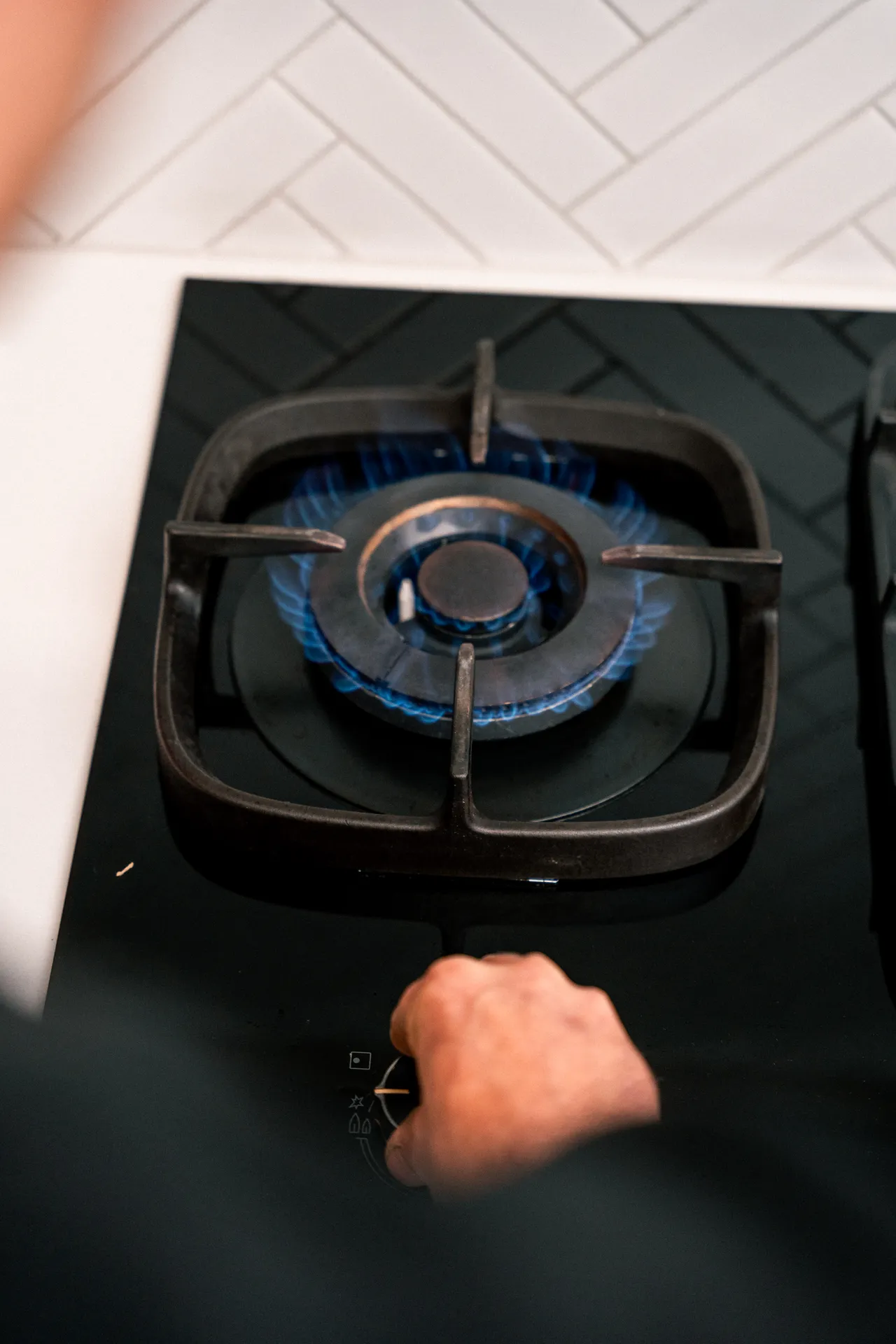
LPG vs Natural Gas: What You Need to Know
What is LPG?
LPG (liquefied petroleum gas) is a mixture of propane and butane that is stored under pressure as a liquid and vaporises into gas when drawn from the cylinder or tank. It is delivered in portable cylinders (typically 9kg or 45kg) or stored in a larger bulk LPG tank on the property.
LPG is used in homes and businesses that are not connected to the natural gas network. It is also the fuel source for portable gas appliances including BBQs and camping stoves.
Key Differences Between LPG and Natural Gas
| Feature | LPG |
|---|---|
| Natural Gas | Source |
| Bottled cylinders or bulk tank | Reticulated network via underground pipes |
| Energy content | Higher energy content per cubic metre |
| Lower energy content per cubic metre | Pressure |
| Higher operating pressure | Lower operating pressure |
| Availability | Anywhere: no network required |
| Where the gas network exists | Appliance compatibility |
| Different injectors and regulators to natural gas | Different injectors and regulators to LPG |
| Running cost | Generally higher than reticulated natural gas |
| Generally lower than LPG | Supply management |
| Cylinders need refilling/replacing | Continuous supply from the network |
Can I Use Natural Gas Appliances with LPG?
No. Gas appliances are configured for either natural gas or LPG. They are not interchangeable without a licensed conversion. Using a natural gas appliance on LPG (or vice versa) without a proper conversion is dangerous, it will produce incorrect flame quality, incomplete combustion and potentially dangerous levels of carbon monoxide.
If you are switching from LPG to natural gas or vice versa, all appliances must be converted or replaced by a licensed gas fitter.
LPG Gas Services We Provide Across Melbourne
Connecting new LPG appliances to an existing LPG supply. This includes:
- LPG cooktop and oven installation and connection
- LPG gas heater connection
- LPG hot water system installation
- LPG BBQ and outdoor appliance connection
- LPG gas fireplace installation
All LPG appliance connections are carried out using the correct LPG-rated flexible hoses, fittings and regulators. A full pressure test and safety check is carried out on completion.
Installing a complete LPG gas system for a property that does not currently have gas. This involves:
- Assessing the property's gas requirements
- Recommending the appropriate cylinder or bulk tank configuration
- Installing the LPG storage and supply infrastructure
- Running gas pipe work from the cylinder or tank to all required appliances
- Connecting all appliances
- Full system pressure test and commissioning
- Certificate of compliance
This service is particularly relevant for properties in outer Melbourne suburbs, the Mornington Peninsula, Frankston South, Mount Eliza, Mount Martha and surrounding areas where natural gas is not available.
Regular servicing of existing LPG systems including
- Inspection and testing of all LPG connections and fittings
- Cylinder regulator inspection and test
- Flexible hose inspection check age, condition and compliance
- Full gas leak test on all connections
- Gas pressure test
- Appliance safety check
- Carbon monoxide combustion test on all gas heating appliances
- Written service record
- LPG cylinder changeover and connection
- LPG regulator inspection and replacement
- LPG manifold installation (connecting multiple cylinders)
- LPG bulk tank connection and pipe work
- Cylinder cage and storage area compliance assessment
If natural gas has become available in your area and you want to switch from LPG to the reticulated gas network, a licensed gas fitter must carry out the conversion.
The conversion process involves
- Confirming the natural gas network is available and the gas meter is installed or can be installed at the property
- Converting all gas appliances from LPG to natural gas by replacing burner injectors, pressure regulators and other LPG-specific components with natural gas equivalents
- Adjusting gas pressures at each appliance to natural gas operating pressure
- Testing all converted appliances for correct operation and flame quality
- Carrying out a carbon monoxide test on all gas heating appliances after conversion
- Full system pressure test
- Certificate of compliance
- Decommissioning and removing LPG cylinders or tank where required
Not all appliances can be converted. Some older or budget appliances may not have natural gas conversion kits available. In these cases, appliance replacement is required. We advise you on the conversion feasibility of each appliance during the assessment.
Converting appliances from natural gas to LPG for properties that are relocating to an area without network gas, or for portable appliance use.
Where LPG is Most Commonly Used Across Melbourne
LPG is particularly common in the following areas of Melbourne where natural gas network coverage is limited or unavailable:
Mornington Peninsula: Mornington, Mount Eliza, Mount Martha, Rosebud, Rye, Safety Beach, Tootgarook, Blairgowrie, Sorrento, Portsea
Outer South-East: Frankston South, Langwarrin South, Baxter, Somerville, Tyabb, Hastings
Outer East: Warrandyte, Research, Kangaroo Ground, Eltham North, Hurstbridge
Ranges and Hills: Ferntree Gully upper areas, Belgrave, Tecoma, Cockatoo, Gembrook
Other areas: Any property not connected to the Multinet or AusNet gas distribution networks
If you are unsure whether natural gas is available at your property, check with your local gas distributor or contact us and we can advise.
Need an LPG Gas Fitter in Melbourne?
Gas Experts Melbourne provides professional LPG gas installation, servicing and conversions across Melbourne. VBA licensed. Fixed upfront pricing. Certificate of compliance on every job. No call-out fee when you book online.
LPG Safety: What Every LPG User Should Know
LPG has specific safety characteristics that differ from natural gas. Understanding these is important for anyone using LPG at home.
Unlike natural gas, which is lighter than air and rises, LPG vapour is heavier than air. This means that in the event of a leak, LPG gas accumulates at floor level and in low-lying areas such as basements, drains and below-floor spaces. A small LPG leak can accumulate in a confined space to an explosive concentration even if it disperses quickly at nose height.
If you smell LPG, ventilate at floor level as well as at height and check all low-lying areas before re-entering.
Both natural gas and LPG have a distinctive sulphur-like odorant added so leaks can be detected. The LPG odorant is typically ethyl mercaptan and has a strong, skunk-like smell. If you can smell this odour near your LPG cylinders, appliances or pipe work, treat it as a gas leak and act immediately.
- Turn off the cylinder valve at the cylinder the valve is on top of the cylinder
- Open all doors and windows
- Check low-lying areas LPG accumulates at floor level
- Do not use any light switches or electrical appliances
- Evacuate if the smell is strong
- Call us from outside on 0468 279 956
- LPG cylinders should be stored upright in a ventilated location outdoors
- Cylinders should not be stored in enclosed spaces, garages or basements
- The cylinder valve should be turned off when the appliance is not in use
- Flexible gas hoses should be inspected regularly and replaced every 5 years or when showing signs of wear, cracking or damage
- Cylinders should be kept away from heat sources
LPG Gas Service Costs in Melbourne
We provide fixed-price quotes: no hourly rates, no call-out fee when you book online.
| Service Type | Approximate Cost |
|---|---|
| LPG appliance connection: existing supply point | From $180 to $280 |
| LPG appliance installation: new supply point required | From $350 to $650 |
| LPG system service: inspection, pressure test, safety check | From $150 to $250 |
| LPG regulator replacement | From $120 to $200 |
| LPG flexible hose replacement | From $99 to $180 |
| LPG to natural gas conversion: per appliance | From $150 to $300 per appliance |
| LPG to natural gas conversion: full home assessment | From $250 to $400 (includes written assessment and compliance) |
| New LPG system installation | By quote after assessment |
Note: These are indicative price ranges. A fixed price is confirmed after assessing the scope of work.
Special Offers
- LPG Conversion Special Convert from LPG to natural gas, discounted assessment and quote. Ask when booking.
- Pensioner Discount 10% off all LPG services for pension and concession card holders.
Why Melbourne Homeowners Choose Gas Experts Melbourne for LPG Services